Знаете ли вы кого-нибудь, кто страдает от нехватки продовольствия? Вы можете быть удивлены, потому что признаки отсутствия продовольственной безопасности не всегда очевидны.
Что такое отсутствие продовольственной безопасности? Это то же самое, что голод?
Голод – это чувство, которое вы испытываете, когда не едите. Это физическое чувство дискомфорта, а отсутствие продовольственной безопасности — экономическое состояние. Когда кто-то испытывает нехватку продовольствия, это означает, что у него нет средств для регулярного доступа к достаточному количеству питательной пищи. В домохозяйствах с нехваткой продовольствия людям часто приходится выбирать между получением только того, что они могут себе позволить (что обычно дешево и/или с дефицитом питательных веществ), или отказом от приема пищи. Жизнь в условиях длительного отсутствия продовольственной безопасности может иметь негативные последствия для физического, эмоционального, социального и психического благополучия.
In Silicon Valley — one of the wealthiest regions in the country — food insecurity is near all-time highs and higher than the national average. Right now, 1 in 6 neighbors counts on Second Harvest for nutritious food, and half are kids and seniors.

Helping our community understand the complexities that our neighbors face shines a light on just how hard it is to live in a very high-cost region on low wages, and hopefully increases the empathy we have for the people who are working hard every day to provide for their families.
Ниже приведены пять распространенных мифов о нехватке продовольствия.
Отсутствие продовольственной безопасности Миф #1: Только люди, которые остались без жилья, нуждаются в продовольственной помощи.
This is one of the most common food insecurity myths, but if it were true, Second Harvest would be providing food to nearly 13,000 people. That's how many residents don't have a permanent place to call home according to the most recent count in Santa Clara and San Mateo counties. Instead, Second Harvest of Silicon Valley provides food to nearly 500,000 people every month.
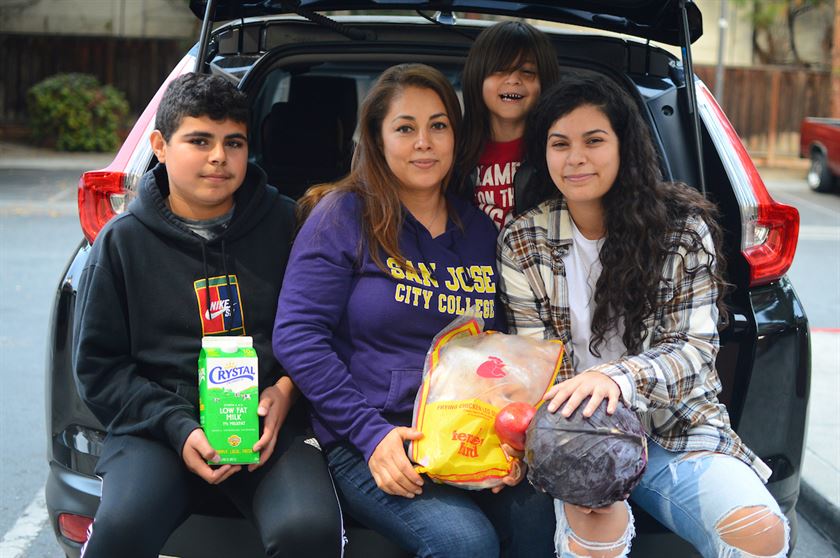
The truth is the vast majority of kids, families and seniors we serve are housed – but after paying for the high cost of housing in Silicon Valley, and managing other fixed costs/bills, many people find that they can’t afford to buy enough nutritious groceries with what’s left over at the end of the month. That’s why most of what Second Harvest provides fresh produce, dairy, grains and pantry staples that our clients can use to create and enjoy balanced, home-cooked meals.
Отсутствие продовольственной безопасности Миф #2: В продовольственной помощи нуждаются только безработные.
The truth is the high cost of living in Silicon Valley means that even people who are working — sometimes at multiple jobs — can’t always make ends meet. In a recent survey of our clients, the majority of households reported at least one person is working. But nearly 60% of those employed households can’t cover their monthly expenses.
The high costs of essentials like rent, food and childcare already take up a huge portion of the budget for neighbors living on fixed incomes or working hard in important jobs that keep our community running. Now, additional cuts to government benefits will push families who were barely getting by into deeper crisis. When every dollar is already stretched thin, even small reductions in support can have devastating ripple effects.
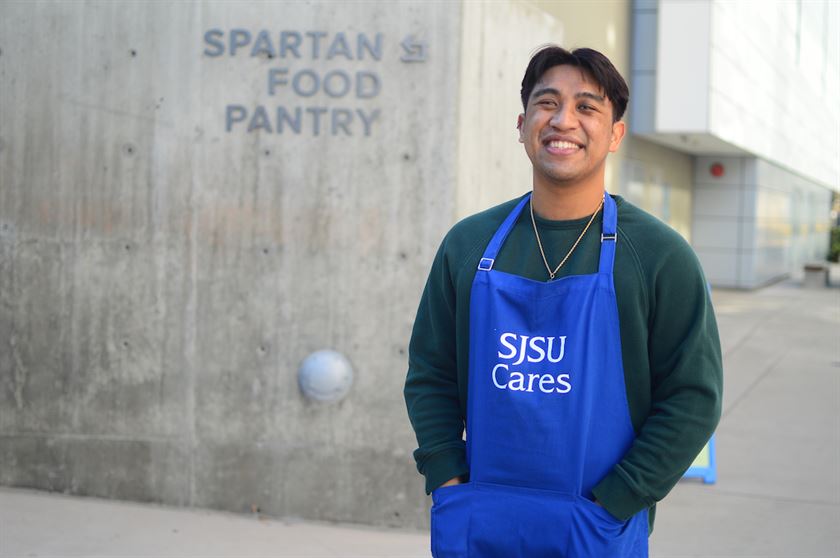
Отсутствие продовольственной безопасности Миф #3: ДВы можете сказать, когда у кого-то нет продовольственной безопасности просто глядя на них.
Правда в том, что вы не всегда можете увидеть, когда у кого-то нет продовольственной безопасности. Они могли купить хорошую машину или приличную одежду, когда были финансово обеспечены, но из-за недавней потери работы или события, изменившего жизнь, они не могут позволить себе достаточно здоровых продуктов для своей семьи. Есть много причин, по которым у кого-то могут быть хорошие вещи, но все же нужна продовольственная помощь.
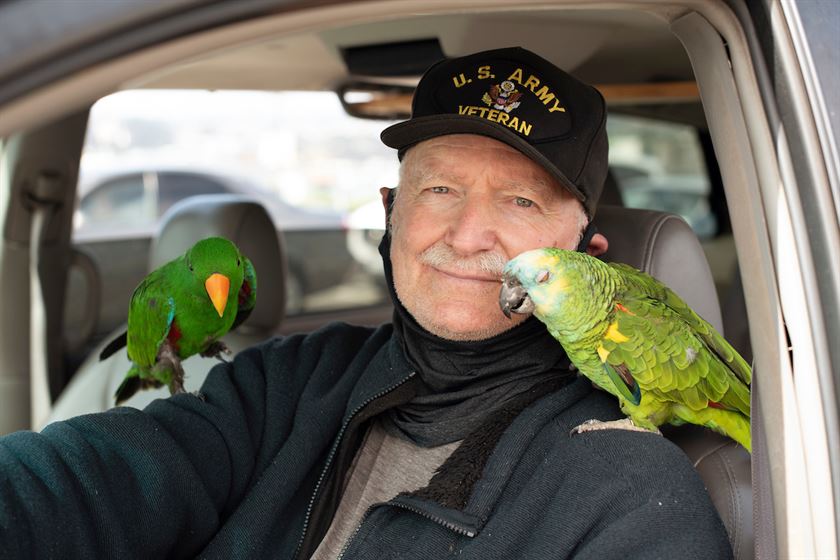
With the high cost of living in Silicon Valley, it’s difficult for a lot of hardworking people to pay their bills, let alone save money. In a recent survey of Second Harvest clients, nearly 55% of respondents said they have less than $100 in savings. That means many families are just a paycheck away from a financial disaster. While some people may have purchased “nicer things” when they had more money, hitting unexpectedly tough times can change things overnight – material possessions are not always an indication that people are financially stable.
Мы не хотим, чтобы люди ждали, пока они потеряют абсолютно все, прежде чем обращаться за помощью, но, к сожалению, многие из наших клиентов обращаются только тогда, когда их шкафы пусты. Продовольственная помощь может помочь отдельным лицам и семьям остаться без жилья, высвобождая средства на жилье, счета и другие расходы.
Отсутствие продовольственной безопасности Миф #4: People who are overweight can't be food insecure.
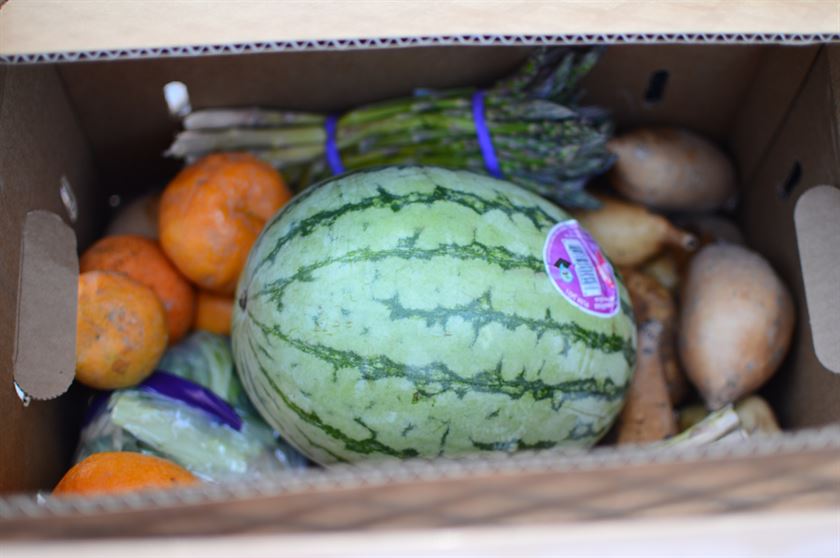
You may think it's not possible for someone to need food assistance if they are overweight. Doesn't that mean they eat too much already? It's easy to understand why this food insecurity myth persists. The truth is it's not uncommon for people who are food insecure to be overweight or even obese.
В исследовании 12 штатов of 66,553 adults, those who were food insecure had a 32% greater risk of being obese compared with those who weren't. Food insecurity and obesity have a complicated relationship, and there are a number of reasons why that's true.
Our clients are often juggling multiple jobs, have limited transportation options and are trying to stretch their food dollars to the end of the month any way they can. In a recent survey of Second Harvest clients, nearly 85% of respondents reported the cost of nutritious food makes it hard for them and/or their households to stay healthy. The impact of being economically unstable, a reliance on cheap fast foods and stress-induced hormones can all drive cravings and decisions around food, which can then lead to obesity.
Недорогие продукты, такие как фаст-фуд и дешевые закуски, как правило, содержат больше сахара, жира и калорий. Они могут временно насытить вас, но не обеспечивают достаточного количества питательных веществ, в которых нуждается наш организм, поэтому сообщества с низким доходом, как правило, имеют более высокие показатели диабета также как и высокое кровяное давление и другие проблемы со здоровьем. In fact, in a recent survey of Second Harvest clients, more than 70% of respondents reported that someone in their household has pre-diabetes, diabetes, high blood pressure or a heart condition.
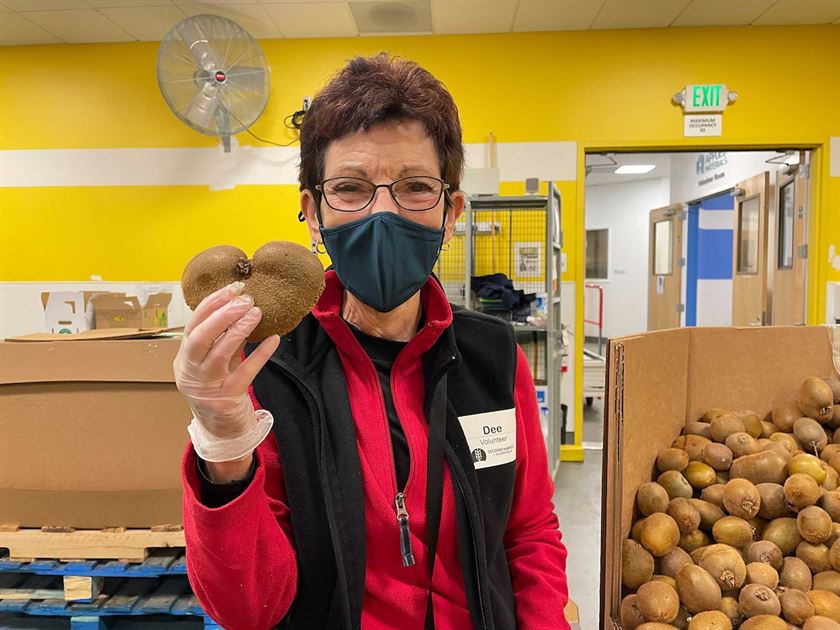
We know that nutrition has a critical impact on the long-term health of community members. The supply of nutritious food we source and distribute — such as fresh fruits and vegetables, dairy, protein, grains and pantry staples — is crucial to ensuring that all our neighbors have access to foods that support their health and well-being.
Knowing how to prepare and enjoy the food we provide also makes a difference. Our Community Health and Nutrition team, together with our dedicated Health Ambassador volunteers, help ensure that clients and their families feel confident and inspired to turn their groceries into flavorful meals, all while honoring culture, tradition and personal preferences.
Миф о нехватке продовольствия #5: люди обманывают систему, чтобы получить еду, которая им на самом деле не нужна.
Это, вероятно, самый разрушительный миф о нехватке продовольствия, потому что он ставит под сомнение честность тех, кто приходит к нам в поисках еды для своих семей. Правда в том, что нас больше беспокоят люди, которые не получают достаточно питательной пищи, чтобы оставаться здоровыми, но при этом не обращаются за помощью, потому что боятся социальной стигмы и осуждения за то, что просят о поддержке. Опросы, которые мы проводили на протяжении многих лет, показывают, что большинство людей не хотят получать продовольственную помощь, даже когда они в ней нуждаются.
В основном мы знаем, что люди, принимающие продукты из Second Harvest, которые в противном случае могут позволить себе купить их, встречаются редко, потому что мы общаемся с людьми, которые приходят на наши пункты раздачи продуктов — мамами, которые беспокоятся о том, чтобы обеспечить своих детей достаточно питательной пищей, пожилыми людьми, которые хотят убедиться, что они не берут слишком много, чтобы еда оставалась для других, и студентов колледжа, которые благодарны за помощь, поскольку они изо всех сил пытаются заплатить за школу и другие предметы первой необходимости.
Мы призываем всех, кто заинтересован в том, чтобы понять, как отсутствие продовольственной безопасности влияет на наше сообщество и что мы делаем для решения этой проблемы, volunteer with us и познакомьтесь с некоторыми семьями, пожилыми людьми и студентами колледжей, которые полагаются на наши услуги, чтобы сохранить доступ к питательной пище и всем преимуществам, которые она дает.