Ken jij iemand die voedselonzeker is? Het zal je misschien verbazen, want de tekenen van voedselonzekerheid zijn niet altijd duidelijk.
Wat is voedselonzekerheid? Is het hetzelfde als honger?
Honger is een gevoel dat je krijgt als je niet gegeten hebt. Het is een fysiek gevoel van onbehagen, terwijl voedselonzekerheid een economische toestand is. Wanneer iemand voedselonzeker is, betekent dit dat hij niet de middelen heeft om regelmatig toegang te krijgen tot voldoende voedzaam voedsel. In voedselonzekere huishoudens moeten mensen vaak keuzes maken tussen alleen krijgen wat ze zich kunnen veroorloven - dat meestal goedkoop en/of voedselarm is - of maaltijden overslaan. Leven in een langdurige staat van voedselonzekerheid kan negatieve gevolgen hebben voor het fysieke, emotionele, sociale en mentale welzijn.
In Silicon Valley — one of the wealthiest regions in the country — food insecurity is near all-time highs and higher than the national average. Right now, 1 in 6 neighbors counts on Second Harvest for nutritious food, and half are kids and seniors.

Helping our community understand the complexities that our neighbors face shines a light on just how hard it is to live in a very high-cost region on low wages, and hopefully increases the empathy we have for the people who are working hard every day to provide for their families.
Hieronder staan vijf veelvoorkomende mythes over voedselonzekerheid.
Voedselonzekerheid Mythe #1: Alleen mensen die geen huisvesting hebben, hebben voedselhulp nodig.
This is one of the most common food insecurity myths, but if it were true, Second Harvest would be providing food to nearly 13,000 people. That's how many residents don't have a permanent place to call home according to the most recent count in Santa Clara and San Mateo counties. Instead, Second Harvest of Silicon Valley provides food to nearly 500,000 people every month.
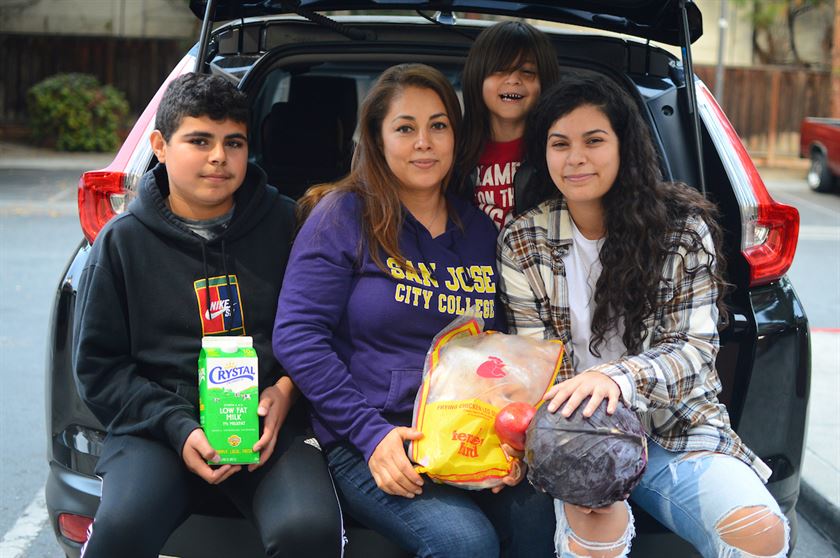
The truth is the vast majority of kids, families and seniors we serve are housed – but after paying for the high cost of housing in Silicon Valley, and managing other fixed costs/bills, many people find that they can’t afford to buy enough nutritious groceries with what’s left over at the end of the month. That’s why most of what Second Harvest provides fresh produce, dairy, grains and pantry staples that our clients can use to create and enjoy balanced, home-cooked meals.
Voedselonzekerheid Mythe #2: Alleen mensen die werkloos zijn, hebben voedselhulp nodig.
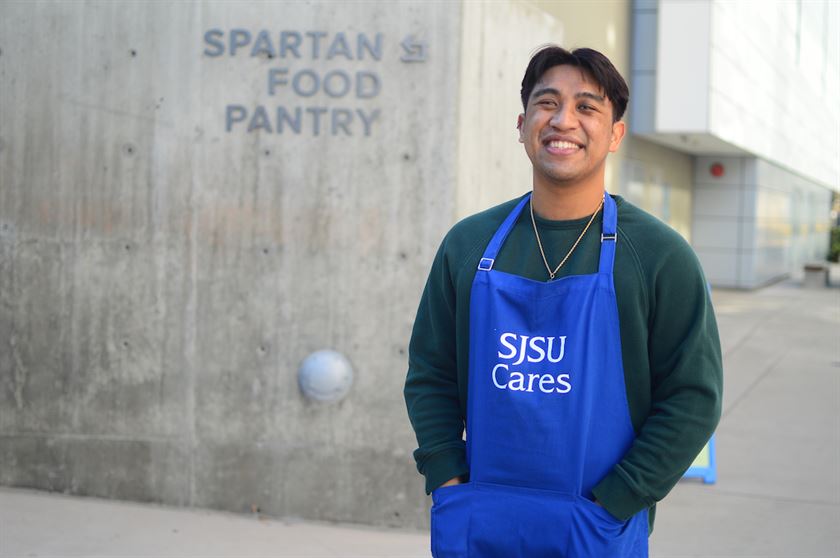
The truth is the high cost of living in Silicon Valley means that even people who are working — sometimes at multiple jobs — can’t always make ends meet. In a recent survey of our clients, the majority of households reported at least one person is working. But nearly 60% of those employed households can’t cover their monthly expenses.
The high costs of essentials like rent, food and childcare already take up a huge portion of the budget for neighbors living on fixed incomes or working hard in important jobs that keep our community running. Now, additional cuts to government benefits will push families who were barely getting by into deeper crisis. When every dollar is already stretched thin, even small reductions in support can have devastating ripple effects.
Voedselonzekerheid Mythe #3: Jaje kunt zien wanneer iemand voedselonzeker is gewoon door naar ze te kijken.
De waarheid is dat je niet altijd kunt zien wanneer iemand voedselonzeker is. Ze hebben misschien een mooie auto of fatsoenlijke kleding gekocht toen ze financieel veilig waren, maar door recent baanverlies of een ingrijpende gebeurtenis kunnen ze niet genoeg gezonde boodschappen betalen voor hun gezin. Er zijn veel redenen waarom iemand leuke dingen kan hebben en toch voedselhulp nodig heeft.
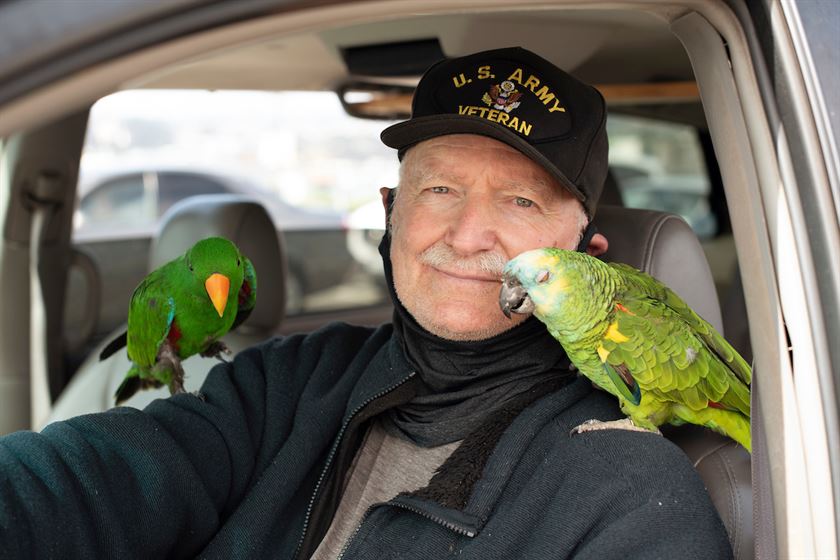
With the high cost of living in Silicon Valley, it’s difficult for a lot of hardworking people to pay their bills, let alone save money. In a recent survey of Second Harvest clients, nearly 55% of respondents said they have less than $100 in savings. That means many families are just a paycheck away from a financial disaster. While some people may have purchased “nicer things” when they had more money, hitting unexpectedly tough times can change things overnight – material possessions are not always an indication that people are financially stable.
We willen niet dat mensen wachten tot ze echt alles kwijt zijn voordat ze om hulp vragen, maar helaas grijpen veel van onze klanten pas in als hun kasten leeg zijn. Voedselhulp kan individuen en gezinnen helpen om gehuisvest te blijven door geld vrij te maken voor huisvesting, rekeningen en andere uitgaven.
Voedselonzekerheid Mythe #4: People who are overweight can't be food insecure.
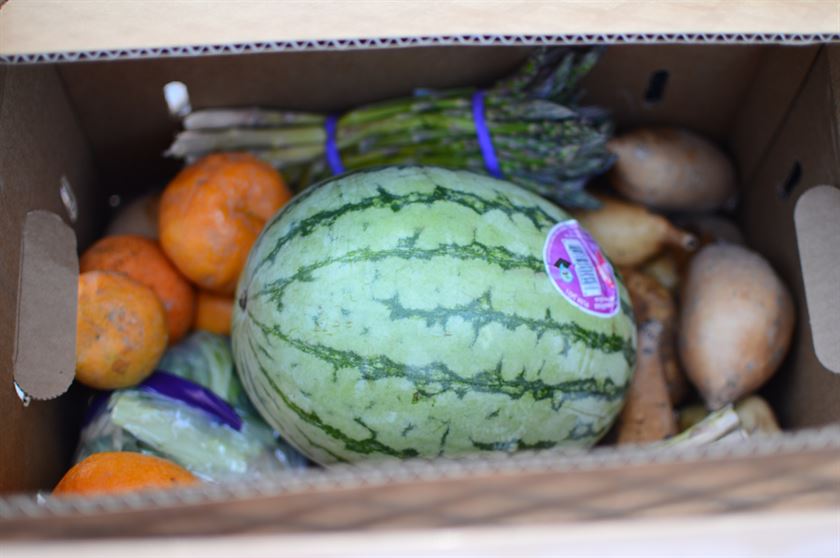
You may think it's not possible for someone to need food assistance if they are overweight. Doesn't that mean they eat too much already? It's easy to understand why this food insecurity myth persists. The truth is it's not uncommon for people who are food insecure to be overweight or even obese.
In een studie met 12 staten of 66,553 adults, those who were food insecure had a 32% greater risk of being obese compared with those who weren't. Food insecurity and obesity have a complicated relationship, and there are a number of reasons why that's true.
Our clients are often juggling multiple jobs, have limited transportation options and are trying to stretch their food dollars to the end of the month any way they can. In a recent survey of Second Harvest clients, nearly 85% of respondents reported the cost of nutritious food makes it hard for them and/or their households to stay healthy. The impact of being economically unstable, a reliance on cheap fast foods and stress-induced hormones can all drive cravings and decisions around food, which can then lead to obesity.
Goedkopere voedingsmiddelen zoals fastfood en goedkope snacks bevatten doorgaans meer suiker, vet en calorieën. Ze kunnen je tijdelijk vullen, maar bieden niet genoeg van de voedingsstoffen die ons lichaam nodig heeft, daarom hebben gemeenschappen met lage inkomens de neiging om hogere diabetespercentages hebben net zoals hoge bloeddruk en andere gezondheidsproblemen. In fact, in a recent survey of Second Harvest clients, more than 70% of respondents reported that someone in their household has pre-diabetes, diabetes, high blood pressure or a heart condition.
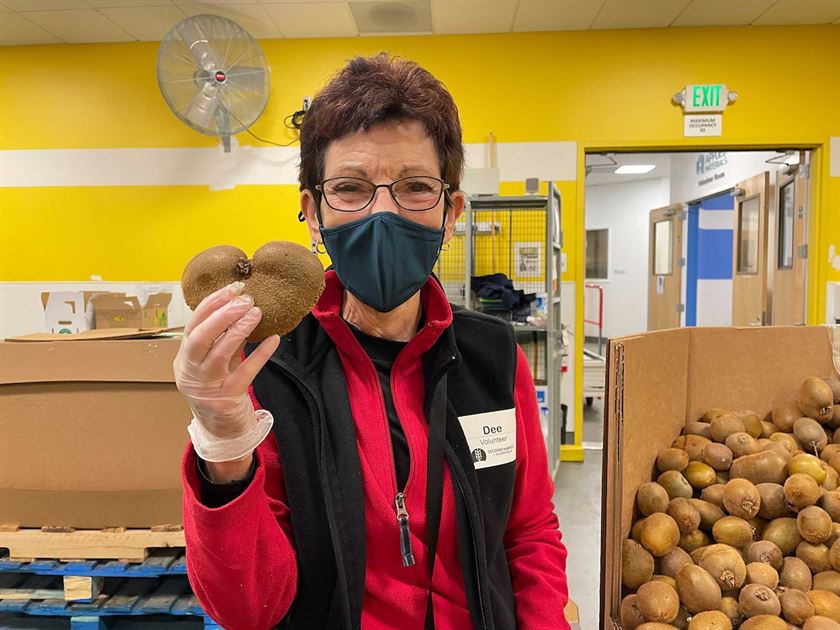
We know that nutrition has a critical impact on the long-term health of community members. The supply of nutritious food we source and distribute — such as fresh fruits and vegetables, dairy, protein, grains and pantry staples — is crucial to ensuring that all our neighbors have access to foods that support their health and well-being.
Knowing how to prepare and enjoy the food we provide also makes a difference. Our Community Health and Nutrition team, together with our dedicated Health Ambassador volunteers, help ensure that clients and their families feel confident and inspired to turn their groceries into flavorful meals, all while honoring culture, tradition and personal preferences.
Mythe over voedselonzekerheid #5: Mensen bedriegen het systeem om voedsel te krijgen dat ze niet echt nodig hebben.
Dit is waarschijnlijk de meest schadelijke mythe over voedselonzekerheid, omdat het de integriteit in twijfel trekt van degenen die naar ons toe komen om voedsel voor hun gezin te zoeken. De waarheid is dat we ons meer zorgen maken over de mensen die niet genoeg voedzaam voedsel krijgen om gezond te blijven, maar toch geen hulp vragen omdat ze bang zijn voor het sociale stigma en het oordeel van het vragen om ondersteuning. Enquêtes die we in de loop der jaren hebben uitgevoerd, vertellen ons dat de meeste mensen terughoudend zijn om voedselhulp te krijgen, zelfs als ze die nodig hebben.
Meestal weten we dat mensen die voedsel van Second Harvest accepteren, maar het zich anders kunnen veroorloven om het te kopen, zeldzaam zijn omdat we praten met de mensen die naar onze supermarktdistributiesites komen - de moeders die zich zorgen maken over het verstrekken van voldoende voedzaam voedsel voor hun kinderen, de senioren die willen ervoor zorgen dat ze niet te veel binnenkrijgen zodat er eten over is voor anderen, en de studenten die dankbaar zijn voor de hulp terwijl ze moeite hebben om voor school en andere basisbehoeften te betalen.
We moedigen iedereen aan die geïnteresseerd is om te begrijpen hoe voedselonzekerheid onze gemeenschap beïnvloedt en wat we doen om dat aan te pakken volunteer with us en ontmoet enkele gezinnen, senioren en studenten die op onze diensten vertrouwen om toegang te houden tot voedzaam voedsel en alle voordelen die daarmee gepaard gaan.