식량이 불안한 사람을 알고 있나요? 식량 불안의 징후가 항상 분명한 것은 아니기 때문에 놀랄 수도 있습니다.
식량 불안이란 무엇입니까? 배고픔도 마찬가지인가?
배고픔은 먹지 않았을 때 느끼는 감정이다. 이는 신체적으로 불편한 느낌인 반면, 식량 불안은 경제적 상태입니다. 식량이 불안정하다는 것은 정기적으로 충분한 영양가 있는 음식을 섭취할 수 있는 수단이 없다는 것을 의미합니다. 식량이 부족한 가정에서 사람들은 자신이 감당할 수 있는 것만(보통 저렴하고/또는 영양이 부족한) 것만 섭취하거나 식사를 거르는 것 사이에서 선택을 해야 하는 경우가 많습니다. 식량이 불안정한 상태에서 생활하는 것은 신체적, 정서적, 사회적, 정신적 안녕에 부정적인 영향을 미칠 수 있습니다.
In Silicon Valley — one of the wealthiest regions in the country — food insecurity is near all-time highs and higher than the national average. Right now, 1 in 6 neighbors counts on Second Harvest for nutritious food, and half are kids and seniors.

Helping our community understand the complexities that our neighbors face shines a light on just how hard it is to live in a very high-cost region on low wages, and hopefully increases the empathy we have for the people who are working hard every day to provide for their families.
다음은 식량 불안에 관한 다섯 가지 일반적인 통념입니다.
식량 불안 신화 #1: 집이 없는 사람들에게만 식량 지원이 필요합니다.
This is one of the most common food insecurity myths, but if it were true, Second Harvest would be providing food to nearly 13,000 people. That's how many residents don't have a permanent place to call home according to the most recent count in Santa Clara and San Mateo counties. Instead, Second Harvest of Silicon Valley provides food to nearly 500,000 people every month.
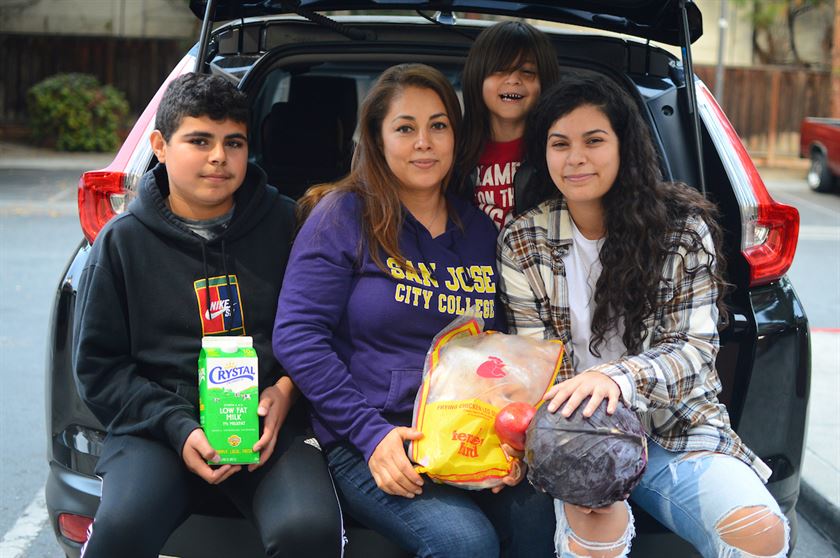
The truth is the vast majority of kids, families and seniors we serve are housed – but after paying for the high cost of housing in Silicon Valley, and managing other fixed costs/bills, many people find that they can’t afford to buy enough nutritious groceries with what’s left over at the end of the month. That’s why most of what Second Harvest provides fresh produce, dairy, grains and pantry staples that our clients can use to create and enjoy balanced, home-cooked meals.
식량 불안 신화 #2: 실업자에게만 식량 지원이 필요합니다.
The truth is the high cost of living in Silicon Valley means that even people who are working — sometimes at multiple jobs — can’t always make ends meet. In a recent survey of our clients, the majority of households reported at least one person is working. But nearly 60% of those employed households can’t cover their monthly expenses.
The high costs of essentials like rent, food and childcare already take up a huge portion of the budget for neighbors living on fixed incomes or working hard in important jobs that keep our community running. Now, additional cuts to government benefits will push families who were barely getting by into deeper crisis. When every dollar is already stretched thin, even small reductions in support can have devastating ripple effects.
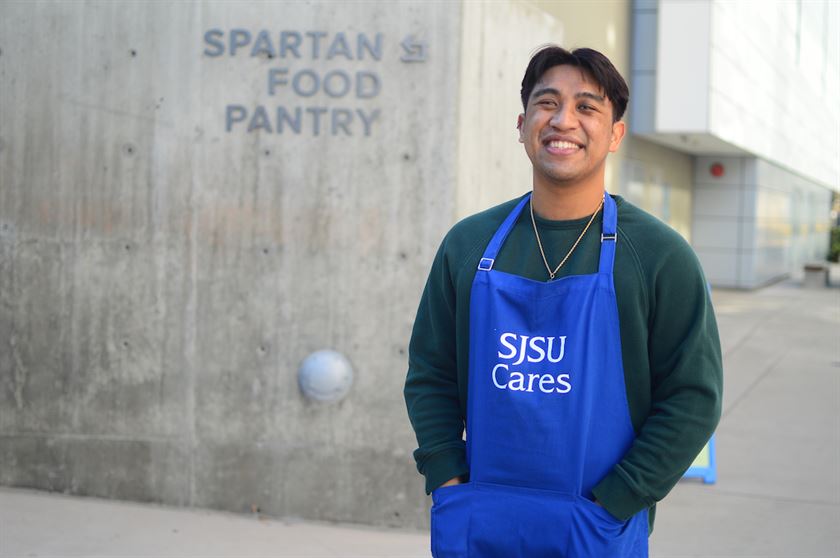
식량 불안 신화 #3: 예누군가가 식량 불안에 처해 있는지 알 수 있습니다 그것들을 보는 것만으로도.
사실은 누군가가 식량이 부족한지 항상 알 수는 없다는 것입니다. 재정적으로 안정되었을 때 좋은 차나 괜찮은 옷을 구입했을 수도 있지만, 최근 실직이나 인생을 바꾸는 사건으로 인해 가족을 위한 건강에 좋은 식료품을 충분히 살 여유가 없습니다. 누군가가 좋은 물건을 갖고 있으면서도 식량 지원이 필요한 데에는 여러 가지 이유가 있습니다.
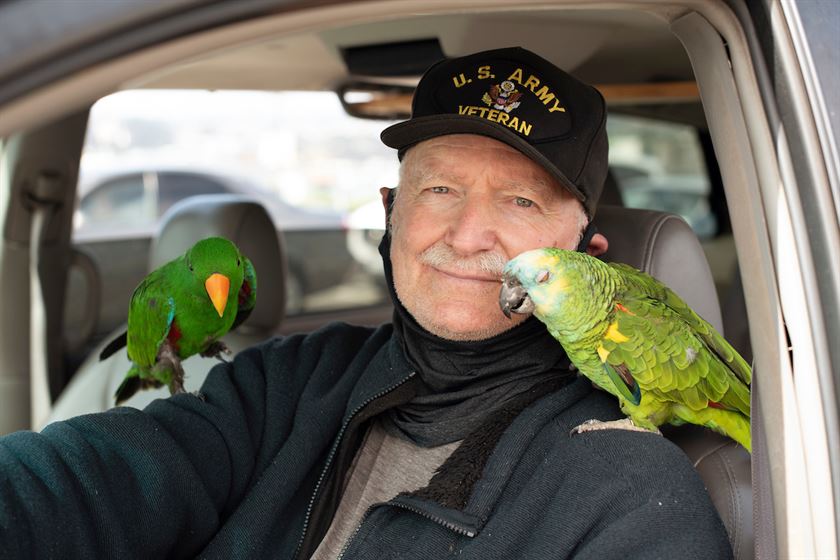
With the high cost of living in Silicon Valley, it’s difficult for a lot of hardworking people to pay their bills, let alone save money. In a recent survey of Second Harvest clients, nearly 55% of respondents said they have less than $100 in savings. That means many families are just a paycheck away from a financial disaster. While some people may have purchased “nicer things” when they had more money, hitting unexpectedly tough times can change things overnight – material possessions are not always an indication that people are financially stable.
우리는 사람들이 도움을 요청하기 전에 모든 것을 잃을 때까지 기다리기를 원하지 않습니다. 그러나 불행하게도 많은 고객은 찬장이 비어 있을 때만 연락합니다. 식량 지원은 주택, 청구서 및 기타 비용을 위한 자금을 확보하여 개인과 가족이 주택을 유지하는 데 도움이 될 수 있습니다.
식량 불안 신화 #4: People who are overweight can't be food insecure.
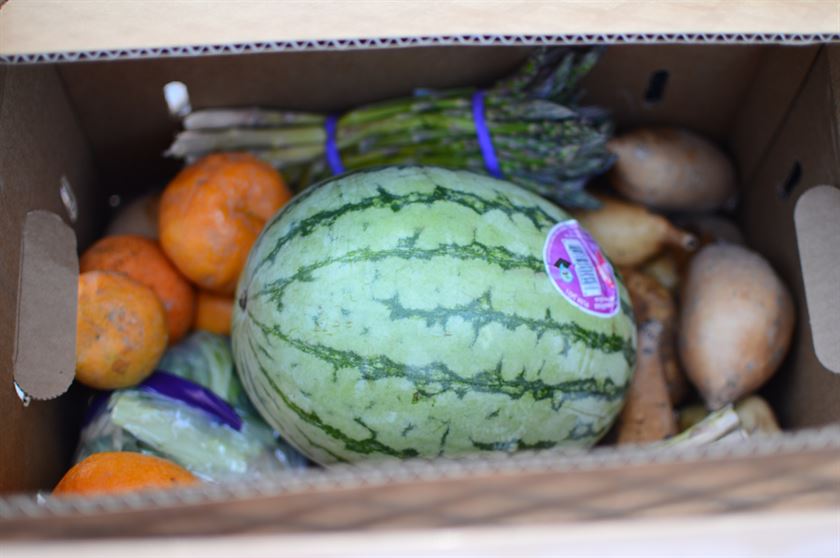
You may think it's not possible for someone to need food assistance if they are overweight. Doesn't that mean they eat too much already? It's easy to understand why this food insecurity myth persists. The truth is it's not uncommon for people who are food insecure to be overweight or even obese.
12개 주 연구에서 of 66,553 adults, those who were food insecure had a 32% greater risk of being obese compared with those who weren't. Food insecurity and obesity have a complicated relationship, and there are a number of reasons why that's true.
Our clients are often juggling multiple jobs, have limited transportation options and are trying to stretch their food dollars to the end of the month any way they can. In a recent survey of Second Harvest clients, nearly 85% of respondents reported the cost of nutritious food makes it hard for them and/or their households to stay healthy. The impact of being economically unstable, a reliance on cheap fast foods and stress-induced hormones can all drive cravings and decisions around food, which can then lead to obesity.
패스트푸드나 값싼 스낵류와 같은 저가 식품은 설탕, 지방, 칼로리 함량이 더 높은 경향이 있습니다. 일시적으로 배를 채울 수는 있지만 우리 몸에 필요한 영양분을 충분히 공급하지 못하기 때문에 저소득층 지역사회에서는 당뇨병 발병률이 더 높다 게다가 고혈압 및 기타 건강 문제. In fact, in a recent survey of Second Harvest clients, more than 70% of respondents reported that someone in their household has pre-diabetes, diabetes, high blood pressure or a heart condition.
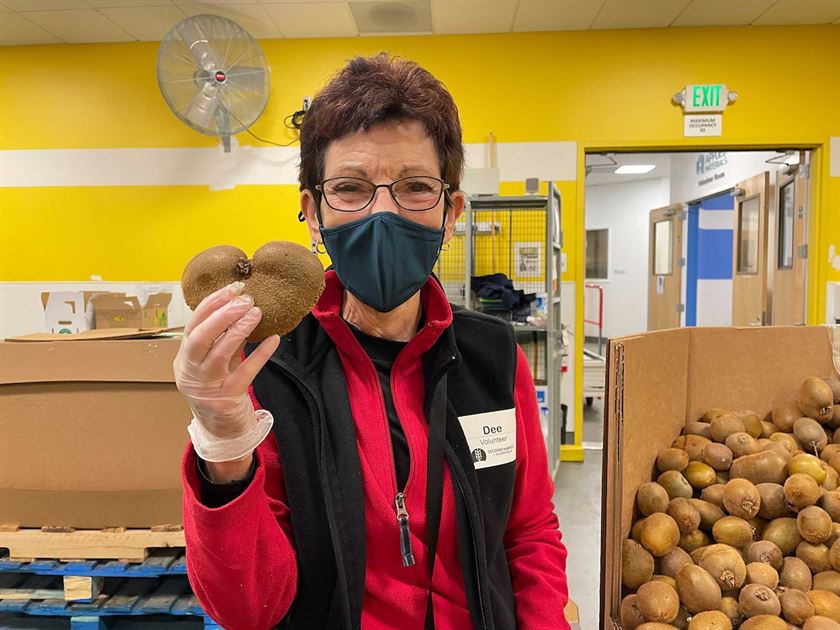
We know that nutrition has a critical impact on the long-term health of community members. The supply of nutritious food we source and distribute — such as fresh fruits and vegetables, dairy, protein, grains and pantry staples — is crucial to ensuring that all our neighbors have access to foods that support their health and well-being.
Knowing how to prepare and enjoy the food we provide also makes a difference. Our Community Health and Nutrition team, together with our dedicated Health Ambassador volunteers, help ensure that clients and their families feel confident and inspired to turn their groceries into flavorful meals, all while honoring culture, tradition and personal preferences.
식량 불안 신화 #5: 사람들은 실제로 필요하지 않은 식량을 얻기 위해 시스템을 속이고 있습니다.
이것은 아마도 가족을 위한 음식을 찾기 위해 우리에게 오는 사람들의 성실성에 의문을 제기하기 때문에 아마도 가장 파괴적인 식량 불안 신화일 것입니다. 진실은 우리가 건강을 유지하기에 충분한 영양가 있는 음식을 섭취하지 못하면서도 지원 요청에 대한 사회적 낙인과 판단을 두려워하여 여전히 도움을 요청하지 않는 사람들에 대해 더 걱정한다는 것입니다. 우리가 수년에 걸쳐 실시한 설문 조사에 따르면 대부분의 사람들은 식량 지원이 필요할 때에도 식량 지원을 받는 것을 꺼려합니다.
대부분 우리는 식료품 유통 현장을 방문하는 사람들, 즉 자녀에게 충분한 영양가 있는 음식을 제공하는 것에 대해 걱정하는 엄마, 너무 많이 가져가지 않도록 하여 다른 사람들을 위한 음식이 남아 있는지 확인하고 싶고, 학비와 기타 기본 필수품 비용을 지불하기 위해 고군분투하는 도움에 감사하는 대학생들.
우리는 식량 불안이 우리 지역사회에 어떤 영향을 미치는지, 그리고 이를 해결하기 위해 우리가 무엇을 하고 있는지 이해하는 데 관심이 있는 모든 분들을 격려합니다. volunteer with us 영양가 있는 음식과 이에 따른 모든 혜택을 계속 누리기 위해 우리 서비스에 의존하는 가족, 노인, 대학생들을 만나보세요.