آیا کسی را می شناسید که امنیت غذایی نداشته باشد؟ ممکن است تعجب کنید، زیرا علائم ناامنی غذایی همیشه آشکار نیست.
ناامنی غذایی چیست؟ آیا همان گرسنگی است؟
گرسنگی احساسی است که وقتی چیزی نخورده اید به شما دست می دهد. این یک احساس جسمی ناراحتی است، در حالی که ناامنی غذایی یک وضعیت اقتصادی است. وقتی فردی از نظر غذایی ناامن است، به این معنی است که ابزار لازم برای دسترسی منظم به غذای مغذی کافی را ندارد. در خانوادههایی که از نظر غذایی ناامن هستند، مردم اغلب مجبورند بین دستیابی به آنچه که میتوانند - که معمولاً ارزان و/یا کمبود مواد مغذی است - یا حذف وعدههای غذایی یکی را انتخاب کنند. زندگی در یک وضعیت طولانی ناامنی غذایی می تواند تأثیرات منفی بر سلامت جسمی، عاطفی، اجتماعی و روانی داشته باشد.
In Silicon Valley — one of the wealthiest regions in the country — food insecurity is near all-time highs and higher than the national average. Right now, 1 in 6 neighbors counts on Second Harvest for nutritious food, and half are kids and seniors.

Helping our community understand the complexities that our neighbors face shines a light on just how hard it is to live in a very high-cost region on low wages, and hopefully increases the empathy we have for the people who are working hard every day to provide for their families.
در زیر پنج افسانه رایج در مورد ناامنی غذایی وجود دارد.
ناامنی غذایی افسانه #1: فقط افرادی که خانه ندارند به کمک غذایی نیاز دارند.
This is one of the most common food insecurity myths, but if it were true, Second Harvest would be providing food to nearly 13,000 people. That's how many residents don't have a permanent place to call home according to the most recent count in Santa Clara and San Mateo counties. Instead, Second Harvest of Silicon Valley provides food to nearly 500,000 people every month.
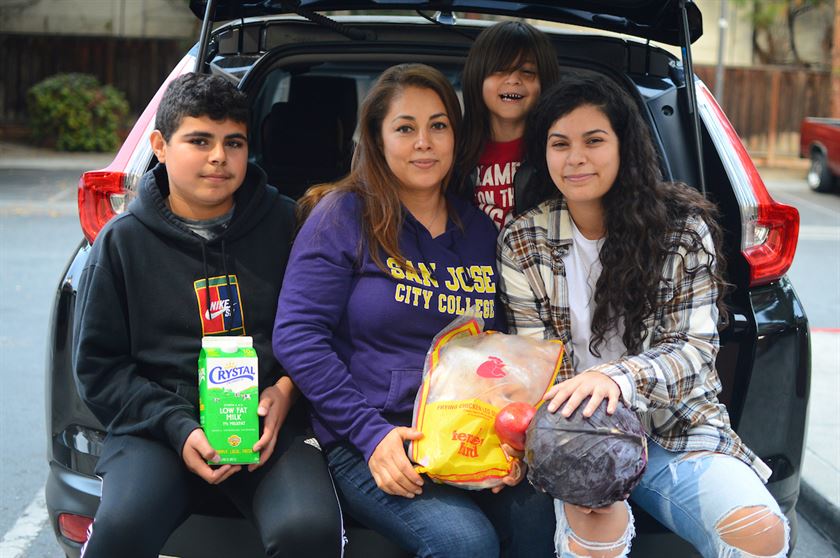
The truth is the vast majority of kids, families and seniors we serve are housed – but after paying for the high cost of housing in Silicon Valley, and managing other fixed costs/bills, many people find that they can’t afford to buy enough nutritious groceries with what’s left over at the end of the month. That’s why most of what Second Harvest provides fresh produce, dairy, grains and pantry staples that our clients can use to create and enjoy balanced, home-cooked meals.
ناامنی غذایی افسانه #2: فقط افرادی که بیکار هستند نیاز به کمک غذایی دارند.
The truth is the high cost of living in Silicon Valley means that even people who are working — sometimes at multiple jobs — can’t always make ends meet. In a recent survey of our clients, the majority of households reported at least one person is working. But nearly 60% of those employed households can’t cover their monthly expenses.
The high costs of essentials like rent, food and childcare already take up a huge portion of the budget for neighbors living on fixed incomes or working hard in important jobs that keep our community running. Now, additional cuts to government benefits will push families who were barely getting by into deeper crisis. When every dollar is already stretched thin, even small reductions in support can have devastating ripple effects.
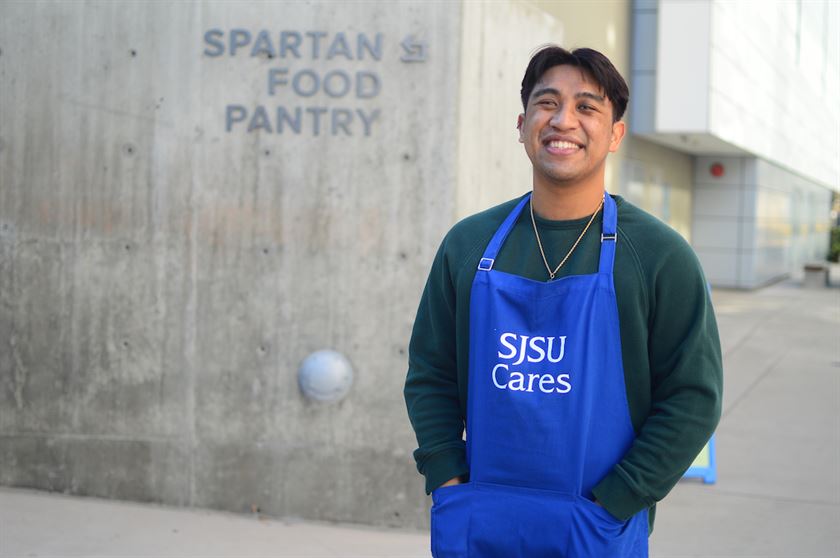
ناامنی غذایی افسانه #3: Yشما می توانید تشخیص دهید که کسی از نظر غذایی ناامن است فقط با نگاه کردن به آنها.
حقیقت این است که شما همیشه نمی توانید ببینید که کسی از نظر غذایی ناامن است. آنها ممکن است زمانی که از نظر مالی مطمئن بودند یک ماشین خوب یا لباس مناسب خریداری کرده باشند، اما به دلیل از دست دادن شغل اخیر یا یک رویداد تغییر دهنده زندگی، نمی توانند به اندازه کافی مواد غذایی سالم برای خانواده خود تهیه کنند. دلایل زیادی وجود دارد که چرا ممکن است شخصی چیزهای خوبی داشته باشد و همچنان به کمک غذایی نیاز داشته باشد.
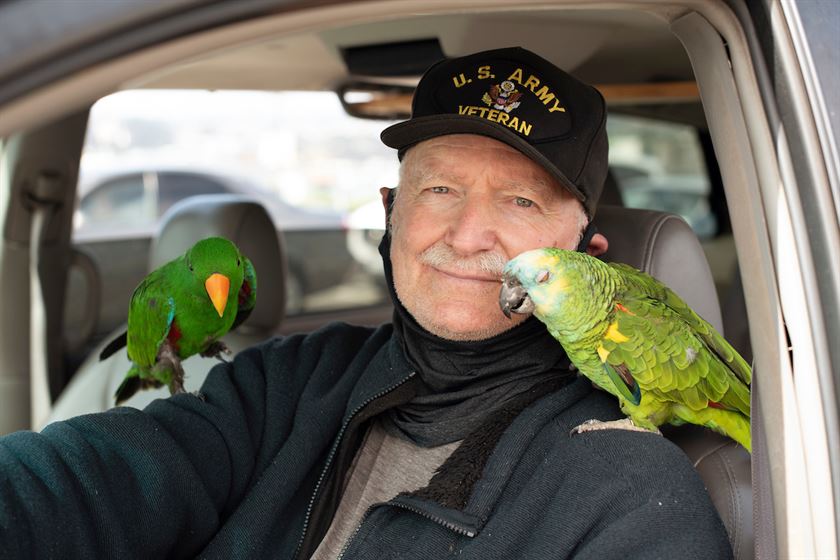
With the high cost of living in Silicon Valley, it’s difficult for a lot of hardworking people to pay their bills, let alone save money. In a recent survey of Second Harvest clients, nearly 55% of respondents said they have less than $100 in savings. That means many families are just a paycheck away from a financial disaster. While some people may have purchased “nicer things” when they had more money, hitting unexpectedly tough times can change things overnight – material possessions are not always an indication that people are financially stable.
ما نمی خواهیم مردم قبل از درخواست کمک منتظر بمانند تا کاملاً همه چیز را از دست بدهند، اما متأسفانه، بسیاری از مشتریان ما فقط زمانی دست دراز می کنند که کمد آنها خالی است. کمک های غذایی می تواند به افراد و خانواده ها کمک کند تا با آزاد کردن بودجه برای مسکن، قبوض و سایر هزینه ها در خانه بمانند.
ناامنی غذایی افسانه #4: People who are overweight can't be food insecure.
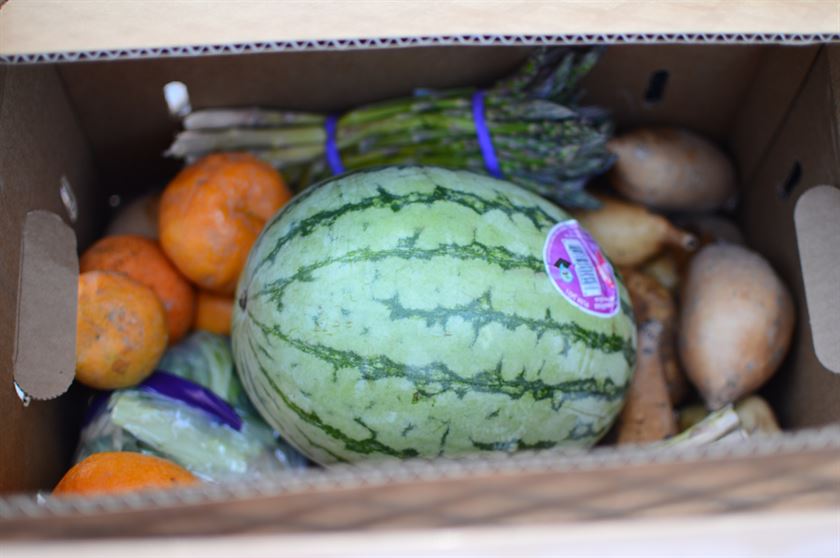
You may think it's not possible for someone to need food assistance if they are overweight. Doesn't that mean they eat too much already? It's easy to understand why this food insecurity myth persists. The truth is it's not uncommon for people who are food insecure to be overweight or even obese.
در یک مطالعه 12 ایالتی of 66,553 adults, those who were food insecure had a 32% greater risk of being obese compared with those who weren't. Food insecurity and obesity have a complicated relationship, and there are a number of reasons why that's true.
Our clients are often juggling multiple jobs, have limited transportation options and are trying to stretch their food dollars to the end of the month any way they can. In a recent survey of Second Harvest clients, nearly 85% of respondents reported the cost of nutritious food makes it hard for them and/or their households to stay healthy. The impact of being economically unstable, a reliance on cheap fast foods and stress-induced hormones can all drive cravings and decisions around food, which can then lead to obesity.
غذاهای کمهزینه مانند فست فودها و میان وعدههای ارزانقیمت، قند، چربی و کالری بیشتری دارند. آنها می توانند به طور موقت شما را سیر کنند، اما به اندازه کافی مواد مغذی مورد نیاز بدن ما را تامین نمی کنند، به همین دلیل است که جوامع کم درآمد تمایل دارند نرخ دیابت بالاتری دارند همچنین فشار خون بالا و سایر مشکلات سلامتی. In fact, in a recent survey of Second Harvest clients, more than 70% of respondents reported that someone in their household has pre-diabetes, diabetes, high blood pressure or a heart condition.
We know that nutrition has a critical impact on the long-term health of community members. The supply of nutritious food we source and distribute — such as fresh fruits and vegetables, dairy, protein, grains and pantry staples — is crucial to ensuring that all our neighbors have access to foods that support their health and well-being.
Knowing how to prepare and enjoy the food we provide also makes a difference. Our Community Health and Nutrition team, together with our dedicated Health Ambassador volunteers, help ensure that clients and their families feel confident and inspired to turn their groceries into flavorful meals, all while honoring culture, tradition and personal preferences.
افسانه ناامنی غذایی #5: مردم سیستم را فریب می دهند تا غذایی که واقعاً به آن نیاز ندارند را دریافت کنند.
این احتمالاً مضرترین افسانه ناامنی غذایی است زیرا صداقت کسانی را که برای جستجوی غذا برای خانواده خود به ما مراجعه می کنند زیر سوال می برد. حقیقت این است که ما بیشتر نگران افرادی هستیم که به اندازه کافی غذای مغذی دریافت نمیکنند تا سالم بمانند، اما همچنان درخواست کمک نمیکنند، زیرا از انگ اجتماعی و قضاوت درخواست حمایت میترسند. نظرسنجیهایی که در طول سالها انجام دادهایم به ما میگویند که اکثر مردم حتی در مواقعی که به کمک غذایی نیاز دارند، تمایلی به دریافت کمک غذایی ندارند.
بیشتر ما می دانیم که افرادی که غذا را از Second Harvest می پذیرند و در غیر این صورت می توانند آن را بخرند نادر است زیرا ما با افرادی که به سایت های توزیع مواد غذایی ما مراجعه می کنند صحبت می کنیم - مادرانی که نگران تهیه غذای مغذی کافی برای فرزندان خود هستند، سالمندانی که نگران هستند. میخواهند مطمئن شوند که زیاد مصرف نمیکنند تا غذا برای دیگران باقی بماند، و دانشآموزانی که برای پرداخت هزینههای مدرسه و سایر مایحتاج اولیه تلاش میکنند از کمکهایشان سپاسگزار هستند.
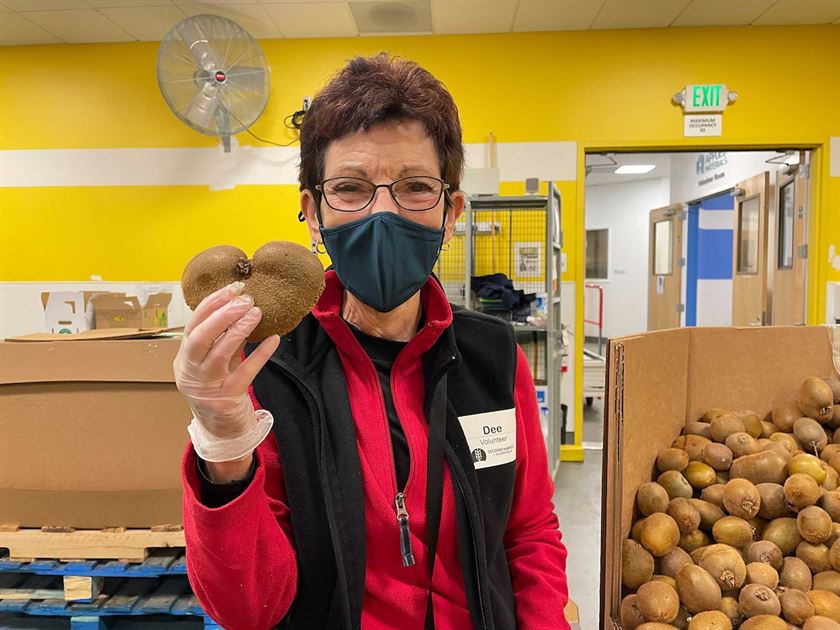
ما هر کسی را که علاقه مند به درک اینکه چگونه ناامنی غذایی جامعه ما را تحت تأثیر قرار می دهد و آنچه ما برای رسیدگی به آن انجام می دهیم تشویق می کنیم. volunteer with us و با برخی از خانواده ها، سالمندان و دانشجویانی که به خدمات ما برای حفظ دسترسی به غذای مغذی و تمام مزایایی که همراه آن است، تکیه می کنند، ملاقات کنید.