Do you know anyone who is food insecure? You might be surprised, because the signs of food insecurity aren’t always obvious.
What is food insecurity? Is it the same as hunger?
Hunger is a feeling you get when you haven’t eaten. It’s a physical feeling of discomfort, while food insecurity is an economic condition. When someone is food insecure, it means they don’t have the means to access enough nutritious food on a regular basis. In food-insecure households, people often have to make choices between getting only what they can afford – which is usually cheap and/or nutrient-deficient – or skipping meals. Living in an extended state of food insecurity can have negative impacts on physical, emotional, social and mental well-being.
In Silicon Valley — one of the wealthiest regions in the country — food insecurity is near all-time highs and higher than the national average. Right now, 1 in 6 neighbors counts on Second Harvest for nutritious food, and half are kids and seniors.

Helping our community understand the complexities that our neighbors face shines a light on just how hard it is to live in a very high-cost region on low wages, and hopefully increases the empathy we have for the people who are working hard every day to provide for their families.
Below are five common myths about food insecurity.
Food Insecurity Myth #1: Only people who are unhoused need food assistance.
This is one of the most common food insecurity myths, but if it were true, Second Harvest would be providing food to nearly 13,000 people. That's how many residents don't have a permanent place to call home according to the most recent count in Santa Clara and San Mateo counties. Instead, Second Harvest of Silicon Valley provides food to nearly 500,000 people every month.
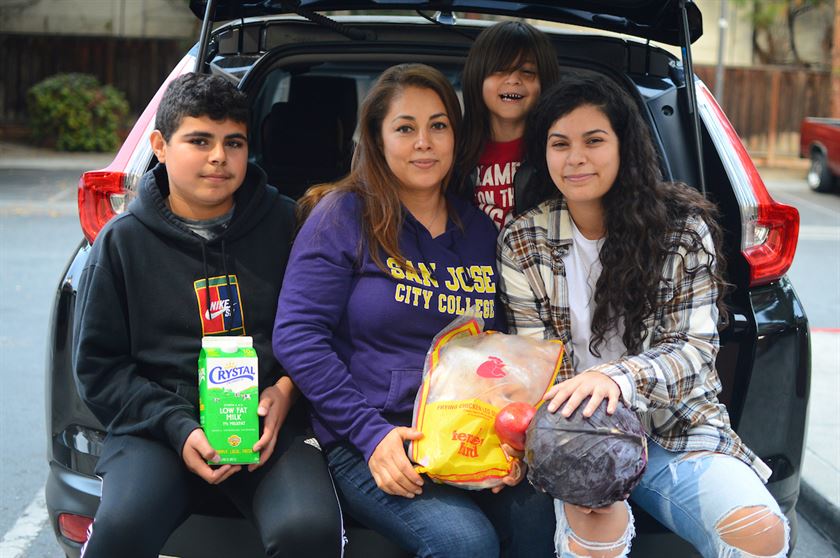
The truth is the vast majority of kids, families and seniors we serve are housed – but after paying for the high cost of housing in Silicon Valley, and managing other fixed costs/bills, many people find that they can’t afford to buy enough nutritious groceries with what’s left over at the end of the month. That’s why most of what Second Harvest provides fresh produce, dairy, grains and pantry staples that our clients can use to create and enjoy balanced, home-cooked meals.
Food Insecurity Myth #2: Only people who are unemployed need food assistance.
The truth is the high cost of living in Silicon Valley means that even people who are working — sometimes at multiple jobs — can’t always make ends meet. In a recent survey of our clients, the majority of households reported at least one person is working. But nearly 60% of those employed households can’t cover their monthly expenses.
The high costs of essentials like rent, food and childcare already take up a huge portion of the budget for neighbors living on fixed incomes or working hard in important jobs that keep our community running. Now, additional cuts to government benefits will push families who were barely getting by into deeper crisis. When every dollar is already stretched thin, even small reductions in support can have devastating ripple effects.
Food Insecurity Myth #3: You can tell when someone is food insecure just by looking at them.
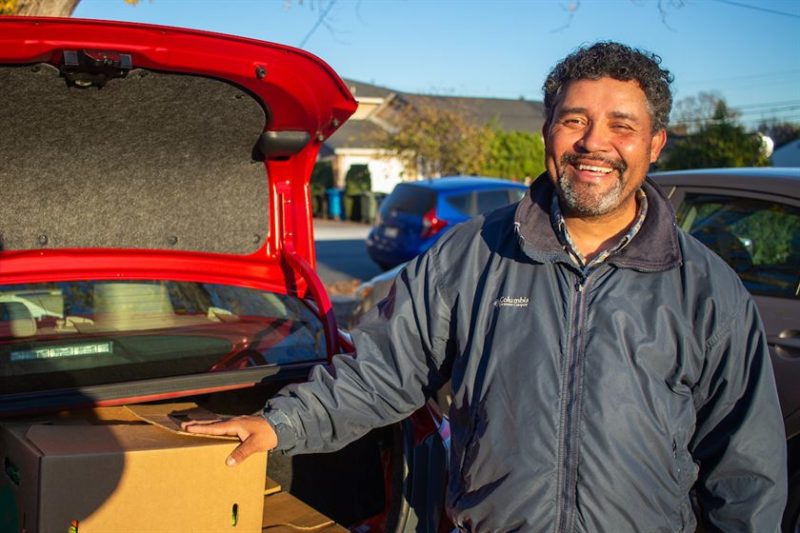
The truth is, you can’t always see when someone is food insecure. They may have purchased a nice car or decent clothing when they were financially secure, but due to recent job loss or a life-changing event, they can’t afford enough healthy groceries for their family. There are many reasons why someone might have nice things and still need food assistance.
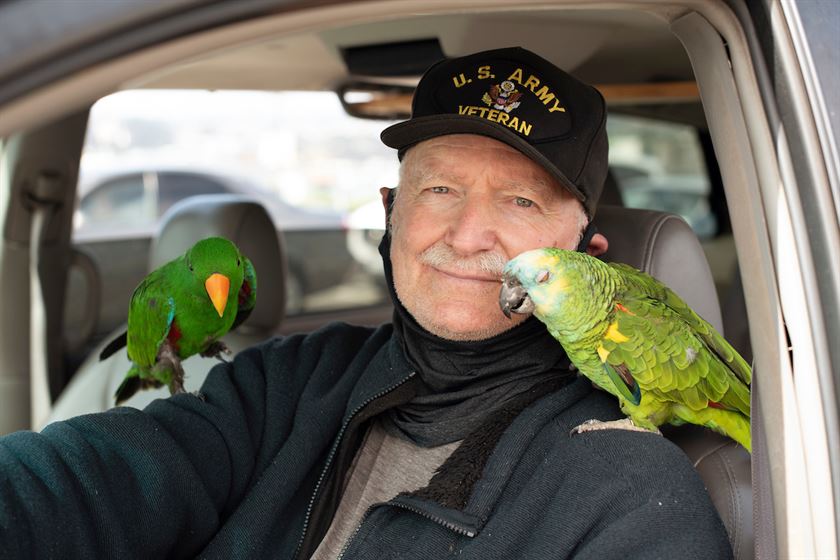
With the high cost of living in Silicon Valley, it’s difficult for a lot of hardworking people to pay their bills, let alone save money. In a recent survey of Second Harvest clients, nearly 55% of respondents said they have less than $100 in savings. That means many families are just a paycheck away from a financial disaster. While some people may have purchased “nicer things” when they had more money, hitting unexpectedly tough times can change things overnight – material possessions are not always an indication that people are financially stable.
We don’t want people to wait until they lose absolutely everything before they ask for help, but unfortunately, many of our clients only reach out when their cupboards are bare. Food assistance can help individuals and families stay housed by freeing up funds for housing, bills and other expenses.
Food Insecurity Myth #4: People who are overweight can't be food insecure.
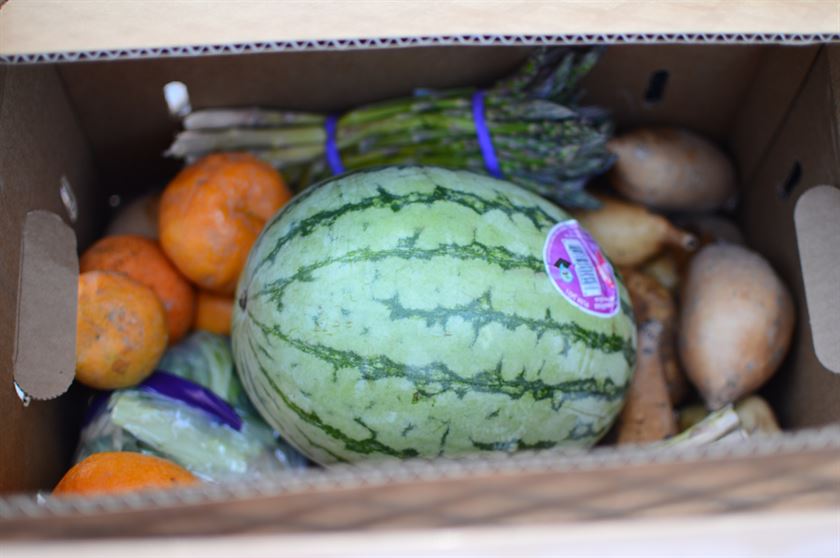
You may think it's not possible for someone to need food assistance if they are overweight. Doesn't that mean they eat too much already? It's easy to understand why this food insecurity myth persists. The truth is it's not uncommon for people who are food insecure to be overweight or even obese.
In a 12-state study of 66,553 adults, those who were food insecure had a 32% greater risk of being obese compared with those who weren't. Food insecurity and obesity have a complicated relationship, and there are a number of reasons why that's true.
Our clients are often juggling multiple jobs, have limited transportation options and are trying to stretch their food dollars to the end of the month any way they can. In a recent survey of Second Harvest clients, nearly 85% of respondents reported the cost of nutritious food makes it hard for them and/or their households to stay healthy. The impact of being economically unstable, a reliance on cheap fast foods and stress-induced hormones can all drive cravings and decisions around food, which can then lead to obesity.
Lower-cost foods like fast foods and cheap snack items tend to be higher in sugar, fat and calories. They can temporarily fill you up but do not provide enough of the nutrients our bodies need, which is why low-income communities tend to have higher rates of diabetes as well as high blood pressure and other health issues. In fact, in a recent survey of Second Harvest clients, more than 70% of respondents reported that someone in their household has pre-diabetes, diabetes, high blood pressure or a heart condition.
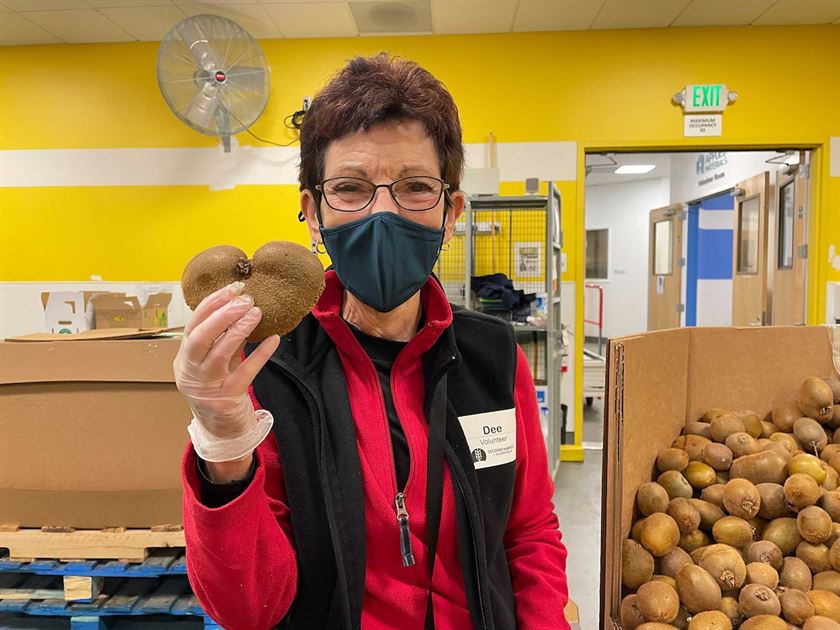
We know that nutrition has a critical impact on the long-term health of community members. The supply of nutritious food we source and distribute — such as fresh fruits and vegetables, dairy, protein, grains and pantry staples — is crucial to ensuring that all our neighbors have access to foods that support their health and well-being.
Knowing how to prepare and enjoy the food we provide also makes a difference. Our Community Health and Nutrition team, together with our dedicated Health Ambassador volunteers, help ensure that clients and their families feel confident and inspired to turn their groceries into flavorful meals, all while honoring culture, tradition and personal preferences.
Food Insecurity Myth #5: People are cheating the system to get food they don’t really need.
This is probably the most damaging food insecurity myth because it questions the integrity of those who come to us seeking food for their families. The truth is we are more concerned about the people who aren’t getting enough nutritious food to stay healthy but still don’t ask for help because they fear the social stigma and judgment of asking for support. Surveys we’ve conducted over the years tell us that most people are reluctant to get food assistance even when they need it.
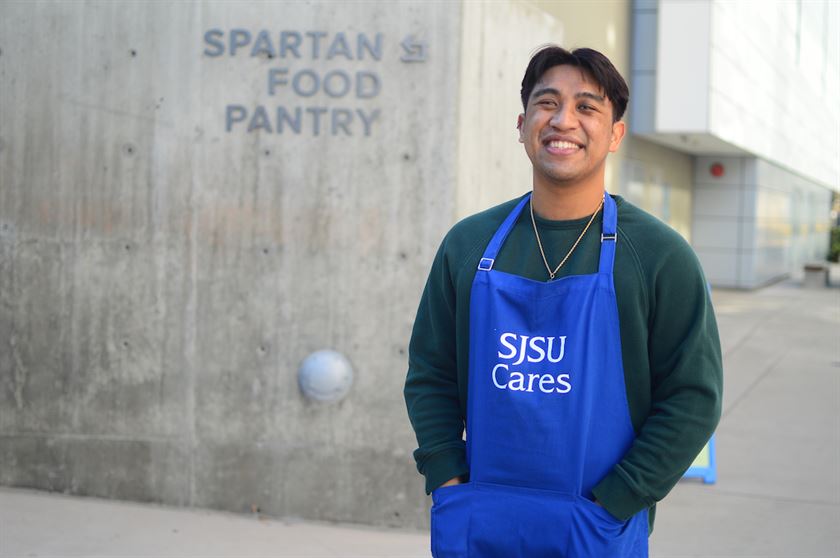
Mostly we know that people accepting food from Second Harvest who otherwise can afford to buy it is rare because we talk to the people who come to our grocery distribution sites – the moms who are worried about providing enough nutritious food for their kids, the seniors who want to make sure they don’t take too much so there is food left for others, and the college students who are grateful for the help as they struggle to pay for school and other basic necessities.
We encourage anyone who is interested in understanding how food insecurity impacts our community and what we’re doing to address that to volunteer with us and meet some of the families, seniors and college students who rely on our services to maintain access to nutritious food and all the benefits that come along with it.