¿Conoces a alguien que padezca inseguridad alimentaria? Puede que se sorprenda, porque los signos de inseguridad alimentaria no siempre son evidentes.
¿Qué es la inseguridad alimentaria? ¿Es lo mismo que el hambre?
El hambre es una sensación que tienes cuando no has comido. Es una sensación física de incomodidad, mientras que la inseguridad alimentaria es una condición económica. Cuando alguien tiene inseguridad alimentaria, significa que no tiene los medios para acceder a suficientes alimentos nutritivos de forma regular. En los hogares con inseguridad alimentaria, las personas a menudo tienen que elegir entre obtener solo lo que pueden pagar, que suele ser barato y/o deficiente en nutrientes, o saltear comidas. Vivir en un estado prolongado de inseguridad alimentaria puede tener impactos negativos en el bienestar físico, emocional, social y mental.
In Silicon Valley — one of the wealthiest regions in the country — food insecurity is near all-time highs and higher than the national average. Right now, 1 in 6 neighbors counts on Second Harvest for nutritious food, and half are kids and seniors.

Helping our community understand the complexities that our neighbors face shines a light on just how hard it is to live in a very high-cost region on low wages, and hopefully increases the empathy we have for the people who are working hard every day to provide for their families.
A continuación se presentan cinco mitos comunes sobre la inseguridad alimentaria.
Inseguridad alimentaria Mito #1: Solo las personas sin hogar necesitan asistencia alimentaria.
This is one of the most common food insecurity myths, but if it were true, Second Harvest would be providing food to nearly 13,000 people. That's how many residents don't have a permanent place to call home according to the most recent count in Santa Clara and San Mateo counties. Instead, Second Harvest of Silicon Valley provides food to nearly 500,000 people every month.
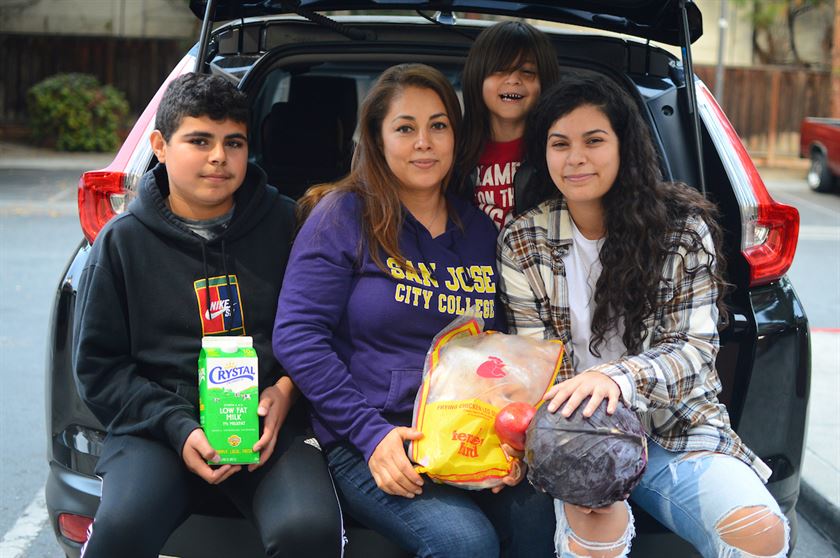
The truth is the vast majority of kids, families and seniors we serve are housed – but after paying for the high cost of housing in Silicon Valley, and managing other fixed costs/bills, many people find that they can’t afford to buy enough nutritious groceries with what’s left over at the end of the month. That’s why most of what Second Harvest provides fresh produce, dairy, grains and pantry staples that our clients can use to create and enjoy balanced, home-cooked meals.
Inseguridad alimentaria Mito #2: Solo las personas que están desempleadas necesitan asistencia alimentaria.
The truth is the high cost of living in Silicon Valley means that even people who are working — sometimes at multiple jobs — can’t always make ends meet. In a recent survey of our clients, the majority of households reported at least one person is working. But nearly 60% of those employed households can’t cover their monthly expenses.
The high costs of essentials like rent, food and childcare already take up a huge portion of the budget for neighbors living on fixed incomes or working hard in important jobs that keep our community running. Now, additional cuts to government benefits will push families who were barely getting by into deeper crisis. When every dollar is already stretched thin, even small reductions in support can have devastating ripple effects.
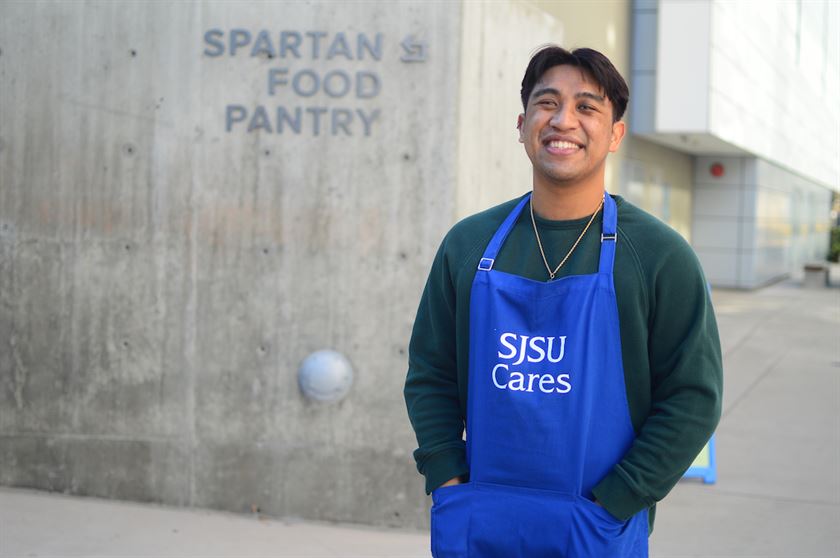
Inseguridad alimentaria Mito #3: Síse puede saber cuando alguien tiene inseguridad alimentaria con solo mirarlos.
La verdad es que no siempre se puede ver cuando alguien tiene inseguridad alimentaria. Es posible que hayan comprado un buen automóvil o ropa decente cuando tenían seguridad financiera, pero debido a la pérdida reciente del trabajo oa un evento que les cambió la vida, no pueden pagar suficientes alimentos saludables para su familia. Hay muchas razones por las que alguien puede tener cosas bonitas y aun así necesitar asistencia alimentaria.
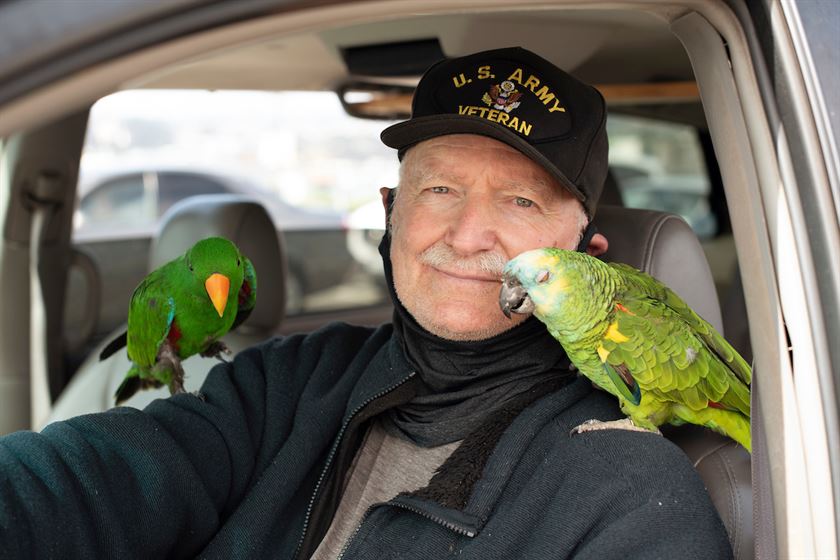
With the high cost of living in Silicon Valley, it’s difficult for a lot of hardworking people to pay their bills, let alone save money. In a recent survey of Second Harvest clients, nearly 55% of respondents said they have less than $100 in savings. That means many families are just a paycheck away from a financial disaster. While some people may have purchased “nicer things” when they had more money, hitting unexpectedly tough times can change things overnight – material possessions are not always an indication that people are financially stable.
No queremos que las personas esperen hasta que pierdan absolutamente todo antes de pedir ayuda, pero desafortunadamente, muchos de nuestros clientes solo se acercan cuando sus armarios están vacíos. La asistencia alimentaria puede ayudar a las personas y las familias a quedarse en casa al liberar fondos para vivienda, facturas y otros gastos.
Inseguridad alimentaria Mito #4: People who are overweight can't be food insecure.
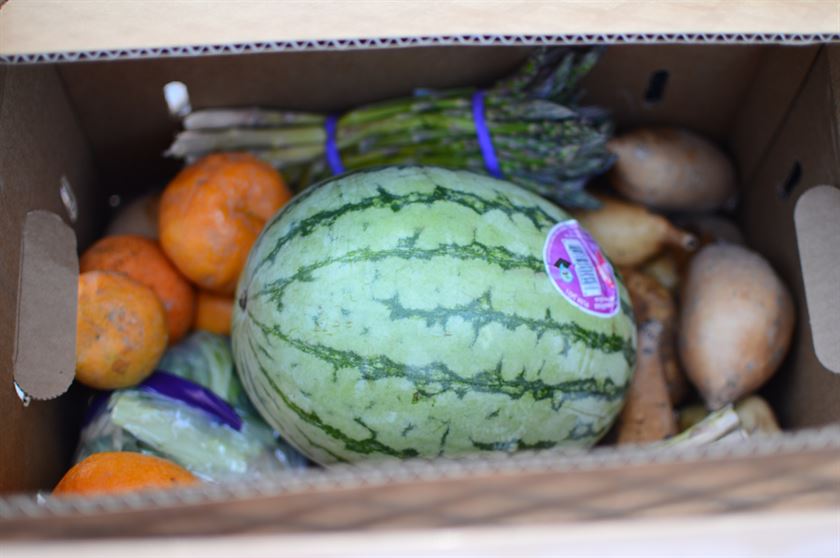
You may think it's not possible for someone to need food assistance if they are overweight. Doesn't that mean they eat too much already? It's easy to understand why this food insecurity myth persists. The truth is it's not uncommon for people who are food insecure to be overweight or even obese.
En un estudio de 12 estados of 66,553 adults, those who were food insecure had a 32% greater risk of being obese compared with those who weren't. Food insecurity and obesity have a complicated relationship, and there are a number of reasons why that's true.
Our clients are often juggling multiple jobs, have limited transportation options and are trying to stretch their food dollars to the end of the month any way they can. In a recent survey of Second Harvest clients, nearly 85% of respondents reported the cost of nutritious food makes it hard for them and/or their households to stay healthy. The impact of being economically unstable, a reliance on cheap fast foods and stress-induced hormones can all drive cravings and decisions around food, which can then lead to obesity.
Los alimentos de bajo costo, como las comidas rápidas y los refrigerios baratos, tienden a tener un mayor contenido de azúcar, grasas y calorías. Pueden llenarlo temporalmente pero no proporcionan suficientes nutrientes que nuestros cuerpos necesitan, razón por la cual las comunidades de bajos ingresos tienden a tienen tasas más altas de diabetes así como presión arterial alta y otros problemas de salud. In fact, in a recent survey of Second Harvest clients, more than 70% of respondents reported that someone in their household has pre-diabetes, diabetes, high blood pressure or a heart condition.
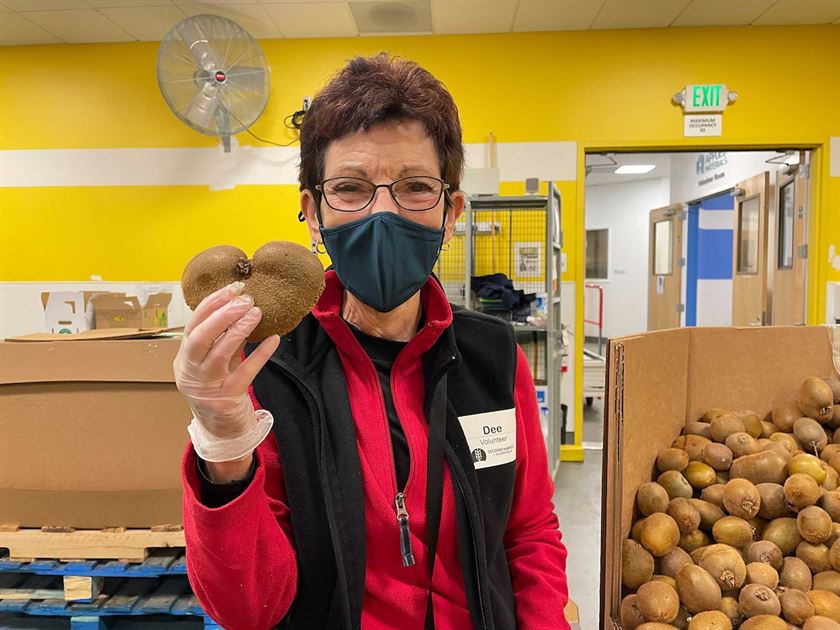
We know that nutrition has a critical impact on the long-term health of community members. The supply of nutritious food we source and distribute — such as fresh fruits and vegetables, dairy, protein, grains and pantry staples — is crucial to ensuring that all our neighbors have access to foods that support their health and well-being.
Knowing how to prepare and enjoy the food we provide also makes a difference. Our Community Health and Nutrition team, together with our dedicated Health Ambassador volunteers, help ensure that clients and their families feel confident and inspired to turn their groceries into flavorful meals, all while honoring culture, tradition and personal preferences.
Mito de la inseguridad alimentaria #5: Las personas están engañando al sistema para obtener alimentos que realmente no necesitan.
Este es probablemente el mito de la inseguridad alimentaria más dañino porque cuestiona la integridad de quienes acuden a nosotros en busca de alimentos para sus familias. La verdad es que estamos más preocupados por las personas que no obtienen suficientes alimentos nutritivos para mantenerse saludables pero aún así no piden ayuda porque temen el estigma social y el juicio de pedir ayuda. Las encuestas que hemos realizado a lo largo de los años nos dicen que la mayoría de las personas son reacias a recibir asistencia alimentaria incluso cuando la necesitan.
En su mayoría, sabemos que las personas que aceptan alimentos de Second Harvest que de otro modo pueden permitirse comprarlos son raras porque hablamos con las personas que acuden a nuestros sitios de distribución de comestibles: las madres que están preocupadas por proporcionar suficientes alimentos nutritivos para sus hijos, las personas mayores que quieren asegurarse de que no toman demasiado para que quede comida para los demás, y los estudiantes universitarios que están agradecidos por la ayuda mientras luchan para pagar la escuela y otras necesidades básicas.
Alentamos a cualquiera que esté interesado en comprender cómo la inseguridad alimentaria afecta a nuestra comunidad y qué estamos haciendo para abordarlo a volunteer with us y conozca a algunas de las familias, personas mayores y estudiantes universitarios que confían en nuestros servicios para mantener el acceso a alimentos nutritivos y todos los beneficios que conlleva.