Bạn có biết ai đang làm mất an toàn vệ sinh thực phẩm không? Bạn có thể ngạc nhiên, vì các dấu hiệu mất an toàn vệ sinh thực phẩm không phải lúc nào cũng rõ ràng.
Mất an toàn vệ sinh thực phẩm là gì? Có giống với đói không?
Đói là cảm giác bạn có được khi chưa ăn. Đó là một cảm giác khó chịu về thể chất, trong khi tình trạng mất an toàn thực phẩm là điều kiện kinh tế. Khi ai đó không an toàn về thực phẩm, điều đó có nghĩa là họ không có đủ phương tiện để tiếp cận thực phẩm đủ dinh dưỡng một cách thường xuyên. Trong các hộ gia đình không đảm bảo về lương thực, mọi người thường phải lựa chọn giữa việc chỉ nhận những gì họ có thể mua được - thường là rẻ và / hoặc thiếu chất dinh dưỡng - hoặc bỏ bữa. Sống trong tình trạng mất an toàn vệ sinh thực phẩm kéo dài có thể có những tác động tiêu cực đến thể chất, tình cảm, xã hội và tinh thần.
In Silicon Valley — one of the wealthiest regions in the country — food insecurity is near all-time highs and higher than the national average. Right now, 1 in 6 neighbors counts on Second Harvest for nutritious food, and half are kids and seniors.

Helping our community understand the complexities that our neighbors face shines a light on just how hard it is to live in a very high-cost region on low wages, and hopefully increases the empathy we have for the people who are working hard every day to provide for their families.
Dưới đây là năm lầm tưởng phổ biến về mất an toàn thực phẩm.
Thực phẩm không an toàn Lầm tưởng #1: Chỉ những người không có nhu cầu mới cần hỗ trợ thực phẩm.
This is one of the most common food insecurity myths, but if it were true, Second Harvest would be providing food to nearly 13,000 people. That's how many residents don't have a permanent place to call home according to the most recent count in Santa Clara and San Mateo counties. Instead, Second Harvest of Silicon Valley provides food to nearly 500,000 people every month.
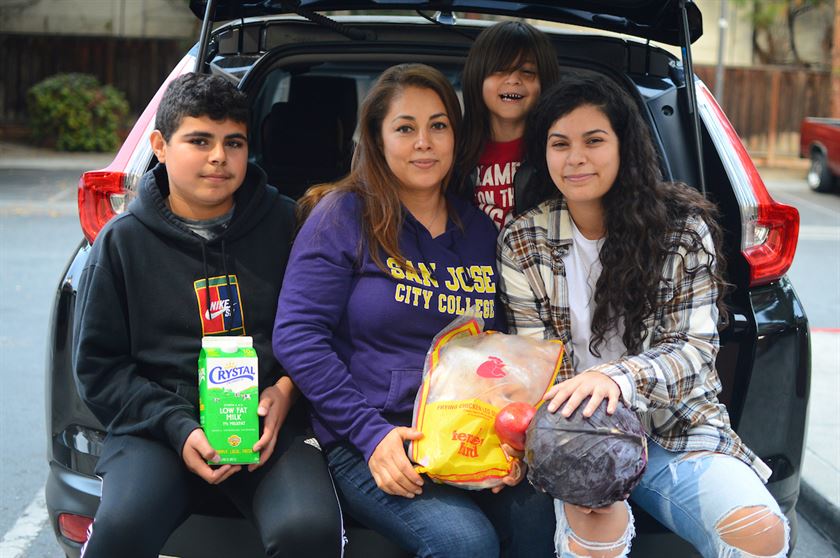
The truth is the vast majority of kids, families and seniors we serve are housed – but after paying for the high cost of housing in Silicon Valley, and managing other fixed costs/bills, many people find that they can’t afford to buy enough nutritious groceries with what’s left over at the end of the month. That’s why most of what Second Harvest provides fresh produce, dairy, grains and pantry staples that our clients can use to create and enjoy balanced, home-cooked meals.
Thực phẩm không an toàn Lầm tưởng #2: Chỉ những người thất nghiệp mới cần trợ cấp lương thực.
The truth is the high cost of living in Silicon Valley means that even people who are working — sometimes at multiple jobs — can’t always make ends meet. In a recent survey of our clients, the majority of households reported at least one person is working. But nearly 60% of those employed households can’t cover their monthly expenses.
The high costs of essentials like rent, food and childcare already take up a huge portion of the budget for neighbors living on fixed incomes or working hard in important jobs that keep our community running. Now, additional cuts to government benefits will push families who were barely getting by into deeper crisis. When every dollar is already stretched thin, even small reductions in support can have devastating ripple effects.
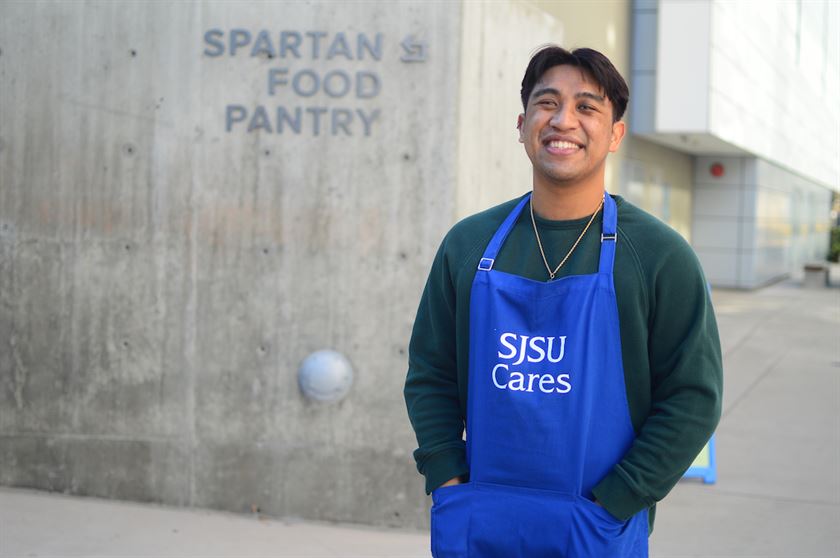
Thực phẩm không an toàn Huyền thoại #3: Ybạn có thể biết khi nào ai đó không an toàn về thực phẩm chỉ bằng cách nhìn vào họ.
Sự thật là, không phải lúc nào bạn cũng có thể nhìn thấy ai đó không an toàn về thực phẩm. Họ có thể đã mua một chiếc ô tô đẹp hoặc quần áo tươm tất khi họ đã đảm bảo về mặt tài chính, nhưng do mất việc gần đây hoặc một sự kiện thay đổi cuộc sống, họ không thể mua đủ hàng tạp hóa lành mạnh cho gia đình. Có nhiều lý do giải thích tại sao một người nào đó có thể có những thứ tốt đẹp nhưng vẫn cần hỗ trợ thực phẩm.
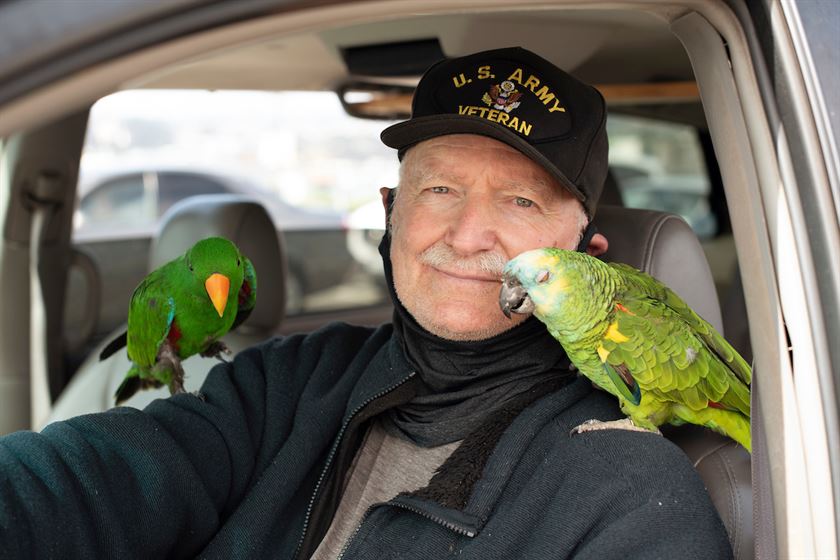
With the high cost of living in Silicon Valley, it’s difficult for a lot of hardworking people to pay their bills, let alone save money. In a recent survey of Second Harvest clients, nearly 55% of respondents said they have less than $100 in savings. That means many families are just a paycheck away from a financial disaster. While some people may have purchased “nicer things” when they had more money, hitting unexpectedly tough times can change things overnight – material possessions are not always an indication that people are financially stable.
Chúng tôi không muốn mọi người đợi đến khi họ mất hoàn toàn mọi thứ rồi mới yêu cầu giúp đỡ, nhưng thật không may, nhiều khách hàng của chúng tôi chỉ tiếp cận khi tủ của họ không còn. Hỗ trợ thực phẩm có thể giúp các cá nhân và gia đình ở lại bằng cách giải phóng quỹ nhà ở, hóa đơn và các chi phí khác.
Thực phẩm không an toàn Lầm tưởng #4: People who are overweight can't be food insecure.
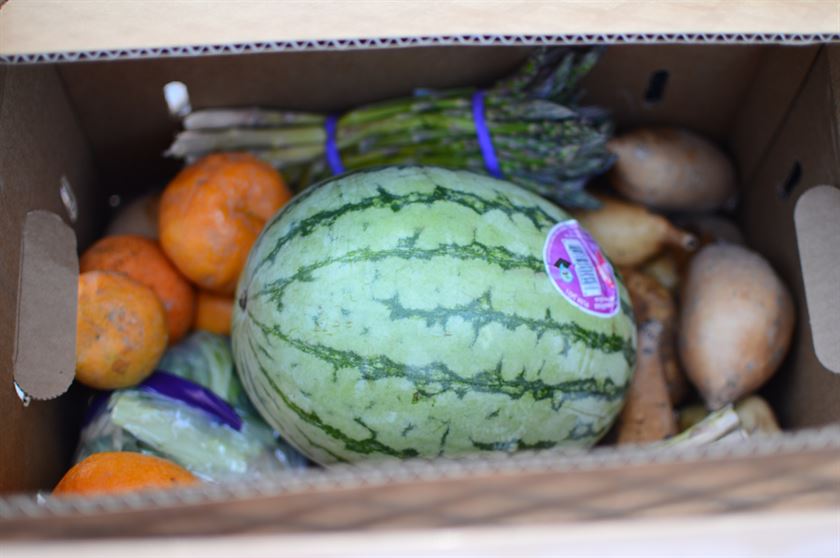
You may think it's not possible for someone to need food assistance if they are overweight. Doesn't that mean they eat too much already? It's easy to understand why this food insecurity myth persists. The truth is it's not uncommon for people who are food insecure to be overweight or even obese.
Trong một nghiên cứu 12 trạng thái of 66,553 adults, those who were food insecure had a 32% greater risk of being obese compared with those who weren't. Food insecurity and obesity have a complicated relationship, and there are a number of reasons why that's true.
Our clients are often juggling multiple jobs, have limited transportation options and are trying to stretch their food dollars to the end of the month any way they can. In a recent survey of Second Harvest clients, nearly 85% of respondents reported the cost of nutritious food makes it hard for them and/or their households to stay healthy. The impact of being economically unstable, a reliance on cheap fast foods and stress-induced hormones can all drive cravings and decisions around food, which can then lead to obesity.
Các loại thực phẩm giá rẻ như thức ăn nhanh và đồ ăn nhanh giá rẻ có xu hướng chứa nhiều đường, chất béo và calo hơn. Chúng có thể làm bạn no tạm thời nhưng không cung cấp đủ chất dinh dưỡng mà cơ thể chúng ta cần, đó là lý do tại sao các cộng đồng thu nhập thấp có xu hướng có tỷ lệ mắc bệnh tiểu đường cao hơn cũng như huyết áp cao và các vấn đề sức khỏe khác. In fact, in a recent survey of Second Harvest clients, more than 70% of respondents reported that someone in their household has pre-diabetes, diabetes, high blood pressure or a heart condition.
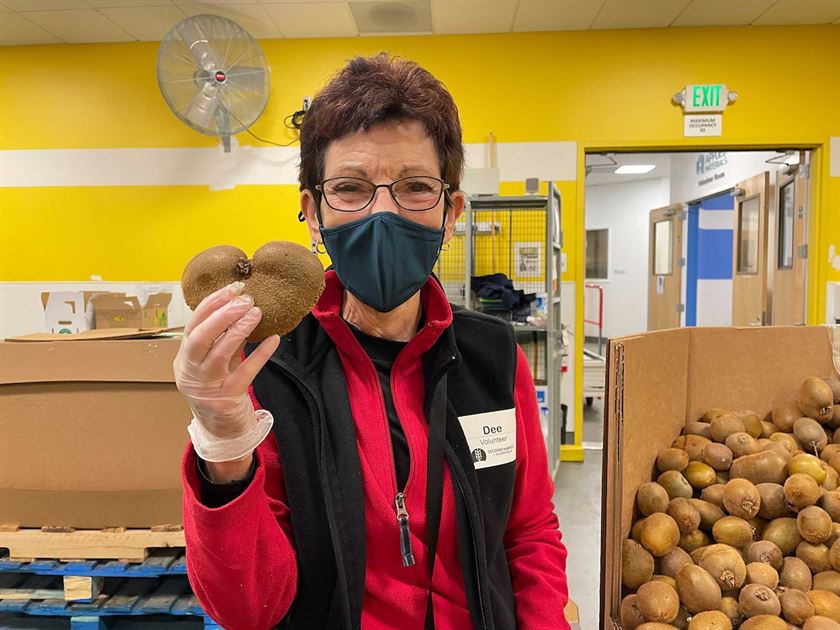
We know that nutrition has a critical impact on the long-term health of community members. The supply of nutritious food we source and distribute — such as fresh fruits and vegetables, dairy, protein, grains and pantry staples — is crucial to ensuring that all our neighbors have access to foods that support their health and well-being.
Knowing how to prepare and enjoy the food we provide also makes a difference. Our Community Health and Nutrition team, together with our dedicated Health Ambassador volunteers, help ensure that clients and their families feel confident and inspired to turn their groceries into flavorful meals, all while honoring culture, tradition and personal preferences.
Lầm tưởng về An toàn Thực phẩm #5: Mọi người đang lừa hệ thống để lấy thực phẩm mà họ không thực sự cần.
Đây có lẽ là câu chuyện hoang đường về tình trạng mất an ninh lương thực gây tai hại nhất vì nó đặt câu hỏi về sự liêm chính của những người đến với chúng tôi để tìm kiếm thức ăn cho gia đình họ. Sự thật là chúng tôi quan tâm nhiều hơn đến những người không nhận đủ thực phẩm dinh dưỡng để sống khỏe mạnh nhưng vẫn không yêu cầu giúp đỡ vì họ sợ sự kỳ thị và đánh giá của xã hội khi yêu cầu hỗ trợ. Các cuộc khảo sát mà chúng tôi đã thực hiện trong nhiều năm cho chúng tôi thấy rằng hầu hết mọi người đều miễn cưỡng nhận hỗ trợ thực phẩm ngay cả khi họ cần.
Hầu hết chúng tôi biết rằng những người chấp nhận thực phẩm từ Second Harvest nếu không có khả năng mua nó là rất hiếm vì chúng tôi nói chuyện với những người đến các điểm phân phối hàng tạp hóa của chúng tôi - những bà mẹ đang lo lắng về việc cung cấp đủ thực phẩm dinh dưỡng cho con họ, những người cao niên muốn đảm bảo rằng họ không lấy quá nhiều để có thức ăn còn lại cho những người khác, và các sinh viên đại học biết ơn sự giúp đỡ khi họ phải vật lộn để trả tiền học và các nhu cầu cơ bản khác.
Chúng tôi khuyến khích bất kỳ ai quan tâm đến việc hiểu tình trạng mất an ninh lương thực ảnh hưởng đến cộng đồng của chúng tôi như thế nào và chúng tôi đang làm gì để giải quyết vấn đề đó volunteer with us và gặp gỡ một số gia đình, người cao niên và sinh viên đại học, những người dựa vào dịch vụ của chúng tôi để duy trì quyền tiếp cận với thực phẩm bổ dưỡng và tất cả những lợi ích đi kèm với nó.