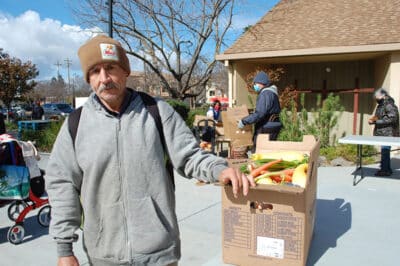
When unexpected health issues arise or monthly healthcare costs go up, the ripple effects reach far beyond the doctor’s office. For many families, there’s no extra room in the budget — so something has to give.
Too often, families are forced to make difficult choices about their budget in order to cover prescriptions, treatments or insurance premiums. These are thoughtful, necessary decisions made in the face of limited resources — but they can come at a cost.
Groceries get stretched thinner, skipped altogether, or replaced with more affordable options, so there’s enough money to cover prescriptions treatments or insurance premiums. It’s a quiet tradeoff that happens every day, revealing how closely health and food access are connected.
“The food I need is expensive, like broth, protein and ginger ale for nausea. Everything costs so much now.”
Jocelyn, 69, going through chemotherapy
Health starts at home
When we talk about health, we often think about doctor visits, prescriptions or hospital stays. But health doesn’t begin in a clinic — it starts at home, in kitchens, grocery stores and around dinner tables.
Having consistent access to nutritious food plays a powerful role in how our bodies feel and function. When that access is uncertain, the effects go far beyond hunger. Food insecurity is closely tied to physical health, mental well-being and how often people need medical care.
The connection to chronic conditions
People experiencing food insecurity are more likely to live with chronic conditions like diabetes, heart disease or high blood pressure. Managing these conditions takes ongoing care — including access to nutritious foods that help support blood sugar control, heart health and overall stability. Without that foundation, symptoms can worsen, and treatment becomes harder to sustain.
“I try to eat as healthy as possible because of my diabetes and high blood pressure.”
Martha, 50
“I’ve been coming here on and off, because I was sick. I had heart issues, and the doctor recommended I change my diet, go 100% vegan, and exercise every day.”
Angel, 67
When small issues become urgent
Food insecurity is also linked to higher use of emergency medical care. When everyday health needs go unmet, small issues can become urgent ones. Skipping meals can lead to fatigue, dizziness and weakened immune systems. Over time, conditions that could be managed with consistent nutrition and preventive care may require emergency treatment.
Stress is another powerful part of this connection. Not knowing if you’ll be able to afford groceries creates ongoing strain, and chronic stress takes a real toll on the body. It can raise blood pressure, disrupt sleep, worsen mental health and make it harder to manage existing conditions.
At the same time, reducing that uncertainty — even in small ways — can make a meaningful difference.
“Having reliable, healthy food [from Second Harvest] is one less thing to stress about or think deeply about. Most of us take it for granted.”
Maria, 43
Food insecurity also forces people into difficult tradeoffs. When resources are limited, families find ways to stretch what they have — adjusting meals, prioritizing essential expenses and making careful decisions every day. Some delay filling prescriptions or postpone routine care because there simply isn’t enough to cover everything at once. These are the kinds of difficult decisions people make as they work to care for themselves and their families.
“From the money we save [from these free groceries], we can spend it on gas, medicine, and anything else we need.”
Ricardo, 33
It’s also important to remember that food insecurity can affect people in many different circumstances — after a job loss, a medical emergency, rising living costs or another unexpected life change. Many are working, caring for families and doing their best to navigate these challenges with resilience and determination.

“I had my health emergency in the middle of the month and it has affected me greatly. [Second Harvest food is] very important for my health and is easy to get.”
Marvin, 58
When communities come together to ensure people have reliable access to nutritious food, the benefits ripple outward. People are better able to manage their health. Kids are more ready to learn. Adults have more energy to work and care for loved ones. Health systems see fewer crises and more stability.
Food isn’t separate from health care — it’s foundational to it. Ensuring everyone has access to nourishing food is one of the most practical, human ways to support healthier lives and stronger communities — and it’s something we can build together.