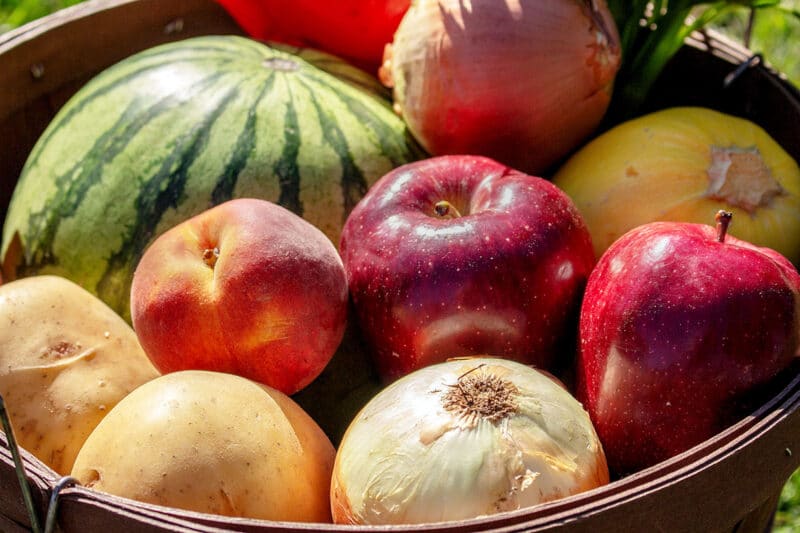
When people think about food insecurity, they often think about physical hunger.
But food does more than satisfy hunger. The nutrients we eat help power our brains, supporting memory, concentration, mood and learning throughout every stage of life. That’s one of the reasons why access to nutritious food isn’t just a nutrition issue — it’s a health issue.
At Second Harvest of Silicon Valley, we see this connection every day. Families want to prepare healthy meals for their children. Older adults ask how they can eat well while living on fixed incomes. People managing chronic health conditions look for foods that support their health while staying within a tight budget.
The challenge isn’t a lack of motivation. It’s that healthy food has become harder to afford.
Nutrition and brain health go hand in hand
Research continues to show that the foods we eat play an important role in supporting brain health over time. A balanced eating pattern that includes fruits, vegetables, whole grains, healthy fats and lean proteins provides nutrients the brain depends on to function at its best.
While no single food can prevent cognitive decline or memory loss, regularly eating a variety of nutrient-rich foods may help support learning, focus, memory and healthy aging as part of an overall healthy lifestyle.
Some foods that support brain health include:
- Berries, including blueberries, strawberries and blackberries, provide antioxidants that help protect cells from oxidative stress.
- Dark leafy greens like spinach, kale and bok choy contain vitamin K and folate, nutrients that support cognitive function.
- Fatty fish, including salmon, sardines and tuna, are rich in omega-3 fatty acids, which are important building blocks of healthy brain cells.
- Walnuts and Brazil nuts provide healthy fats and minerals that support normal brain function.
- Olive oil is a source of heart-healthy fats and beneficial plant compounds that are associated with healthy aging.
- تخم مرغ are rich in choline, an essential nutrient involved in memory and brain development.
- غلات کامل, including oats and whole-wheat breads and pastas, provide fiber and nutrients that support overall cardiovascular health — which is closely connected to brain health.
Limiting heavily processed foods and foods high in added sugars can also support overall health by helping reduce inflammation and promoting a balanced eating pattern.
Access is just as important as awareness
Knowing which foods support brain health is only part of the equation.
For many Silicon Valley families and older adults, the bigger challenge is being able to afford them.
As the cost of housing, healthcare and other necessities continues to rise, groceries become one of the few household expenses families can adjust. Fresh produce, lean proteins and other nutritious foods are often more expensive than less nutritious alternatives, making healthy eating increasingly difficult for households already balancing tight budgets.
We hear this from community members every day. People aren’t asking whether healthy food matters — they’re asking how they can continue to afford it.
That’s why food insecurity has consequences that extend beyond hunger. When nutritious food is out of reach, it can affect health, learning and overall well-being.
Food as medicine in action
Increasingly, healthcare providers recognize that access to nutritious food is an important part of improving health.
برداشت دوم partners with healthcare organizations across Silicon Valley to connect patients experiencing food insecurity with healthy food and nutrition resources. By integrating food access into healthcare, these شراکت help address one of the underlying factors that influences health outcomes.
Our Nutrition Education team also helps community members turn healthy ingredients into practical, affordable meals. Through recipes, cooking demonstrations, food safety guidance and culturally relevant nutrition education, we help people make the most of the food available to them and build confidence in preparing nutritious meals at home.
This work reflects a simple but powerful idea: food is medicine.
“Brain health isn’t shaped by one food or one meal — it’s supported by the conditions that make healthy eating possible over time. When nutritious food is accessible, it can help reduce barriers to building the everyday healthy habits that help children learn, support lifelong health, and allow our community members to care for themselves and the ones they love.”
– Evelyn Thai, CNC, BCHN, Community Health and Nutrition Manager at Second Harvest of Silicon Valley
Nutritious food helps people thrive
Whether it’s helping a child stay focused in the classroom, supporting a working parent or helping an older adult maintain independence, nutritious food creates opportunities for healthier lives.
That’s why Second Harvest is committed to providing not just enough food, but nutritious food. Today, nearly 60% of the food we distribute is fresh produce, complemented by dairy, proteins, whole grains and other wholesome foods that support long-term health.
Food banks have evolved far beyond providing emergency groceries. Today, they play an important role in improving community health by increasing access to the nutritious foods people need to thrive.
Because everyone deserves the opportunity to nourish both their body and their mind. Learn more about Second Harvest’s nutrition resources.
Reviewed by Evelyn Thai, CNC, BCHN, Community Health and Nutrition Manager at Second Harvest of Silicon Valley