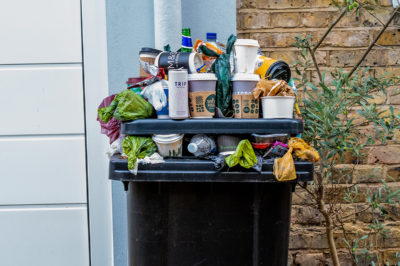
If you’ve ever thrown away perfectly good yogurt because it was past the “best by” date, you’re not alone.
Confusing food date labels are one of the leading causes of unnecessary food waste in American households. Many people mistakenly believe that dates like “best by,” “sell by” or “use by” indicate when food becomes unsafe to eat. In reality, these labels have often been used inconsistently and can be difficult to interpret, leading people to throw away perfectly good food that is still safe to eat.
That’s beginning to change in California.
New state food labeling requirements are helping make expiration labels clearer and more consistent, giving consumers better information while helping reduce avoidable food waste. It’s a practical change with meaningful benefits: less food ending up in landfills, lower grocery costs for families and more food available to nourish our communities.
At Second Harvest of Silicon Valley, one of the nation’s largest food banks, we see firsthand how important these changes can be. We source, inspect, rescue and distribute more than 110 million pounds of nutritious food each year, including millions of pounds of fresh produce, dairy, meat and other perishable items. Our experience safely recovering food — and advocating for policies that reduce waste — gives us a unique perspective on why clearer labeling matters.
Why food date labels have been so confusing
For decades, manufacturers used a wide variety of phrases on food packaging, including:
- Best By
- Best Before
- Sell By
- Enjoy By
- Fresh By
- Use By
Most of these labels were voluntary and lacked consistent definitions. As a result, many consumers assumed any date meant the food should be discarded once it passed.
In reality, with the exception of infant formula, federal law generally does not require expiration dates on food products.
Many foods remain safe to eat after their quality date if they have been stored properly. The label often indicates when the product is at its peak flavor or texture, not when it becomes unsafe.
What California’s new food labeling law changes
California’s food date labeling requirements under Assembly Bill 660 started July 1, 2026. It doesn’t require food companies to put a date on a package. It standardizes the words they use when they do.
Under the law, a date label has to fall into one of two categories:
Quality dates use “BEST if used by” or “BEST if used or frozen by.”
This is a freshness date. It tells you when the manufacturer expects the food to taste best. Properly stored, most foods are still safe to eat after it passes.
Safety dates use “USE by” or “USE by or freeze by.”
This one matters. It’s reserved for foods that can become unsafe after a certain point, like some highly perishable items. Small packages can use the shorthand “BB” for quality and “UB” for safety.
The law also bans the phrase “sell by” on consumer packaging. That label was never meant for shoppers. It told stores when to rotate stock, and it sent millions of pounds of good food to the landfill when shoppers read it as an expiration date. Retailers can still use coded stock-rotation dates, as long as customers can’t easily read them.
One thing to know: the rules apply to food manufactured on or after July 1, 2026. Older packaging will stay on shelves for a while, so expect to see a mix of old and new labels in the aisle this year.
The law also carves out a few products. Infant formula and eggs keep their existing labeling rules.
Food waste is a hunger issue
Food waste is more than an environmental issue — it also represents a missed opportunity to nourish our community.
Perfectly good food is discarded every day while many families struggle to afford groceries. Reducing unnecessary waste helps make better use of existing resources while lowering greenhouse gas emissions associated with landfills.
At Second Harvest, food rescue is one of the most effective ways we increase access to nutritious food while reducing waste.
Today:
- 75% of the food we distribute is recovered from retailers, growers, manufacturers and other food industry partners.
- We work with hundreds of partners across the food supply chain to safely recover nutritious food before it goes to waste.
- Much of the rescued food includes fresh fruits and vegetables, dairy products, proteins and other highly nutritious items.
Recovering food at this scale requires sophisticated logistics, robust food safety protocols and strong partnerships throughout the region. Every donation is evaluated for quality and safety before it reaches our community.
Food safety is always the priority
One common misconception is that rescued food is lower quality. In reality, rescued food is simply unsold food that businesses can no longer sell for a variety of everyday reasons.
A grocery store may have overordered. Packaging or labeling may have changed. A pallet of strawberries may have arrived ahead of schedule. The food is still fresh, safe and nutritious — it just no longer has a path to market.
What happens next is the part most people don’t see.
Our food sourcing and operations teams carefully inspect donated food, maintain cold chain requirements and follow established food safety guidelines throughout transportation, storage and distribution. Many donated products arrive well before their quality dates, while others remain perfectly safe because they have been handled and stored correctly.
Food date labels are just one part of evaluating whether food is safe to eat. Proper storage, handling and inspection remain essential.
“Through our food sourcing and rescue work, we see how confusing date labels can result in unnecessary food waste. Clear, standardized labeling can help keep more safe, nutritious food in our communities and out of landfills.”
— Barbara Gehlen, Director of Food Sourcing, Second Harvest of Silicon Valley
Better policies create less waste
“We were proud to support AB 660 and are excited to see the benefits of this thoughtful policy become a reality. By helping reduce unnecessary food waste at home and improving the quality of donated food, this law is a win for families, food donors and the charitable food system.”
– Rachel Monaco, Senior Manager, Policy and Advocacy, Second Harvest of Silicon Valley
California’s new food labeling law is one example of how smart public policy can reduce waste and strengthen food systems.
As Silicon Valley’s largest food rescue organization, Second Harvest has long supported efforts to make edible food recovery easier, strengthen large-scale food donation systems and expand access to nutritious food. Clearer food labels are one practical example of how thoughtful policy can improve the food system and help more food reach people instead of going to waste.
No single solution will end hunger or eliminate food waste. But practical improvements like clearer food labels can help families make informed decisions, reduce unnecessary waste and ensure more nutritious food reaches people instead of landfills.
Creating a stronger food system together
Every day, we work with farmers, grocery stores, food manufacturers and community partners to rescue nutritious food that might otherwise go to waste. Decades of community support have allowed us to develop and sustain a highly effective food rescue program, turning surplus food into reliable access to meals for our neighbors.
Clearer food labeling won’t solve hunger on its own, but it’s an important step toward a more efficient, sustainable and equitable food system — one where good food nourishes people instead of filling landfills.
You can help make that future possible. By supporting Second Harvest, you’re helping us rescue more nutritious food, reduce waste and ensure families across Silicon Valley have reliable access to the healthy food they need.