Conosci qualcuno che è insicuro alimentare? Potresti essere sorpreso, perché i segni dell'insicurezza alimentare non sono sempre evidenti.
Cos'è l'insicurezza alimentare? È uguale alla fame?
La fame è una sensazione che provi quando non hai mangiato. È una sensazione di disagio fisico, mentre l'insicurezza alimentare è una condizione economica. Quando qualcuno è insicuro dal punto di vista alimentare, significa che non ha i mezzi per accedere regolarmente a cibo nutriente sufficiente. Nelle famiglie con insicurezza alimentare, le persone spesso devono scegliere tra ottenere solo ciò che possono permettersi – che di solito è economico e/o carente di nutrienti – o saltare i pasti. Vivere in uno stato prolungato di insicurezza alimentare può avere impatti negativi sul benessere fisico, emotivo, sociale e mentale.
In Silicon Valley — one of the wealthiest regions in the country — food insecurity is near all-time highs and higher than the national average. Right now, 1 in 6 neighbors counts on Second Harvest for nutritious food, and half are kids and seniors.

Helping our community understand the complexities that our neighbors face shines a light on just how hard it is to live in a very high-cost region on low wages, and hopefully increases the empathy we have for the people who are working hard every day to provide for their families.
Di seguito sono riportati cinque miti comuni sull'insicurezza alimentare.
Insicurezza alimentare Mito #1: Solo le persone senza alloggio hanno bisogno di assistenza alimentare.
This is one of the most common food insecurity myths, but if it were true, Second Harvest would be providing food to nearly 13,000 people. That's how many residents don't have a permanent place to call home according to the most recent count in Santa Clara and San Mateo counties. Instead, Second Harvest of Silicon Valley provides food to nearly 500,000 people every month.
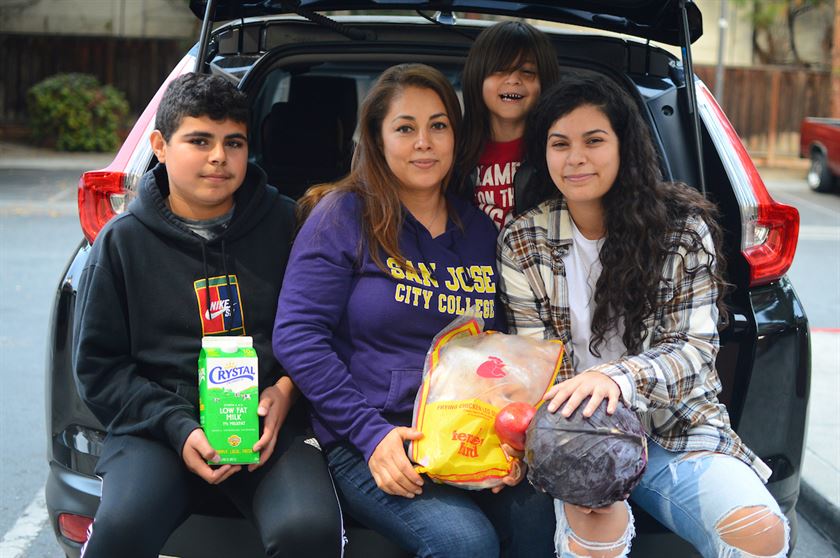
The truth is the vast majority of kids, families and seniors we serve are housed – but after paying for the high cost of housing in Silicon Valley, and managing other fixed costs/bills, many people find that they can’t afford to buy enough nutritious groceries with what’s left over at the end of the month. That’s why most of what Second Harvest provides fresh produce, dairy, grains and pantry staples that our clients can use to create and enjoy balanced, home-cooked meals.
Insicurezza alimentare Mito #2: Solo le persone disoccupate hanno bisogno di assistenza alimentare.
The truth is the high cost of living in Silicon Valley means that even people who are working — sometimes at multiple jobs — can’t always make ends meet. In a recent survey of our clients, the majority of households reported at least one person is working. But nearly 60% of those employed households can’t cover their monthly expenses.
The high costs of essentials like rent, food and childcare already take up a huge portion of the budget for neighbors living on fixed incomes or working hard in important jobs that keep our community running. Now, additional cuts to government benefits will push families who were barely getting by into deeper crisis. When every dollar is already stretched thin, even small reductions in support can have devastating ripple effects.
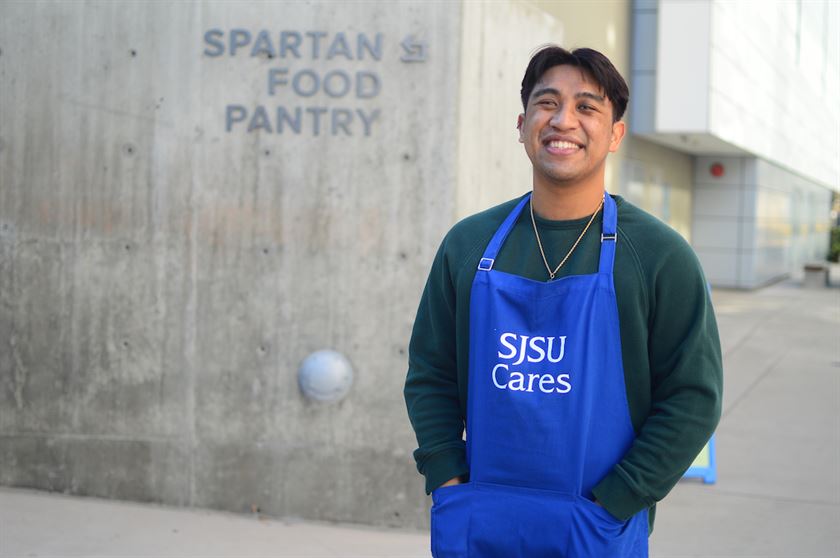
Insicurezza alimentare Mito #3: Ypuoi dire quando qualcuno è insicuro alimentare solo guardandoli.
La verità è che non puoi sempre vedere quando qualcuno è insicuro alimentare. Potrebbero aver acquistato una bella macchina o vestiti decenti quando erano finanziariamente al sicuro, ma a causa della recente perdita del lavoro o di un evento che ha cambiato la vita, non possono permettersi abbastanza generi alimentari sani per la loro famiglia. Ci sono molte ragioni per cui qualcuno potrebbe avere cose carine e aver ancora bisogno di assistenza alimentare.
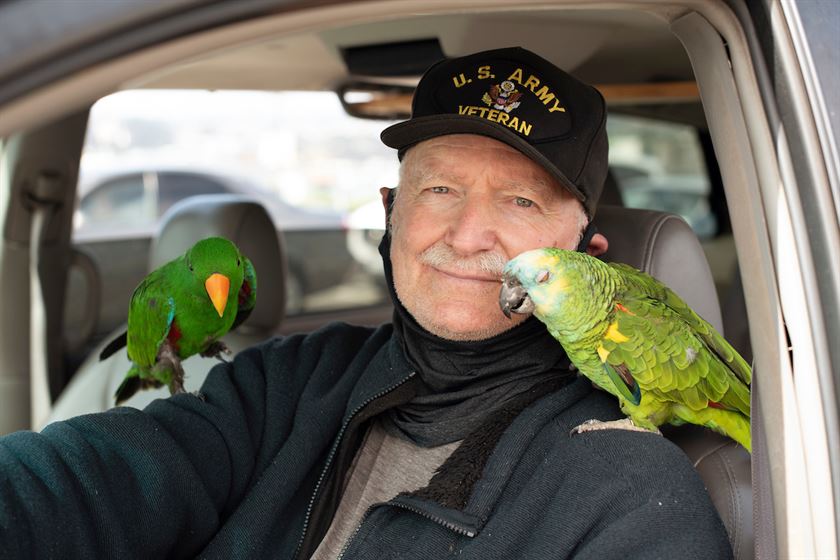
With the high cost of living in Silicon Valley, it’s difficult for a lot of hardworking people to pay their bills, let alone save money. In a recent survey of Second Harvest clients, nearly 55% of respondents said they have less than $100 in savings. That means many families are just a paycheck away from a financial disaster. While some people may have purchased “nicer things” when they had more money, hitting unexpectedly tough times can change things overnight – material possessions are not always an indication that people are financially stable.
Non vogliamo che le persone aspettino di perdere assolutamente tutto prima di chiedere aiuto, ma sfortunatamente molti dei nostri clienti si rivolgono solo quando i loro armadi sono spogli. L'assistenza alimentare può aiutare le persone e le famiglie a rimanere in una casa liberando fondi per l'alloggio, le bollette e altre spese.
Insicurezza alimentare Mito #4: People who are overweight can't be food insecure.
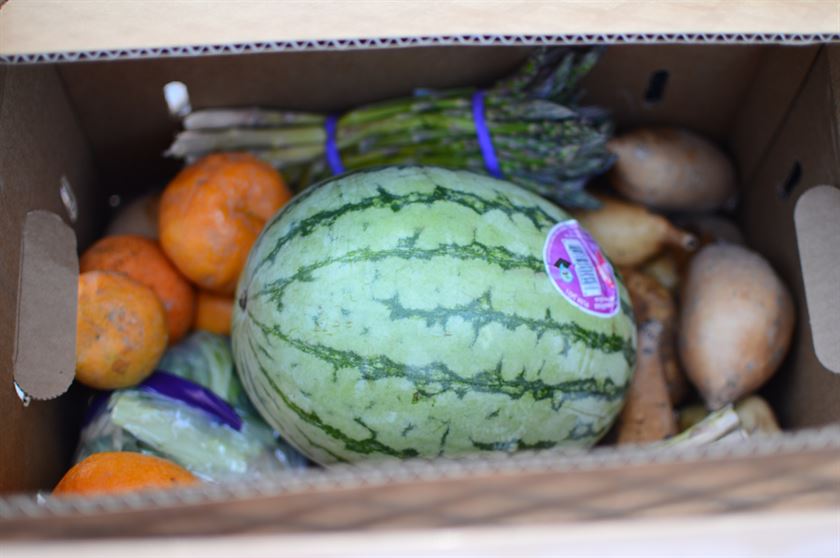
You may think it's not possible for someone to need food assistance if they are overweight. Doesn't that mean they eat too much already? It's easy to understand why this food insecurity myth persists. The truth is it's not uncommon for people who are food insecure to be overweight or even obese.
In uno studio in 12 stati of 66,553 adults, those who were food insecure had a 32% greater risk of being obese compared with those who weren't. Food insecurity and obesity have a complicated relationship, and there are a number of reasons why that's true.
Our clients are often juggling multiple jobs, have limited transportation options and are trying to stretch their food dollars to the end of the month any way they can. In a recent survey of Second Harvest clients, nearly 85% of respondents reported the cost of nutritious food makes it hard for them and/or their households to stay healthy. The impact of being economically unstable, a reliance on cheap fast foods and stress-induced hormones can all drive cravings and decisions around food, which can then lead to obesity.
Gli alimenti a basso costo come i fast food e gli snack economici tendono ad essere più ricchi di zuccheri, grassi e calorie. Possono riempirti temporaneamente ma non forniscono abbastanza dei nutrienti di cui il nostro corpo ha bisogno, motivo per cui le comunità a basso reddito tendono a hanno tassi più elevati di diabete così come pressione alta e altri problemi di salute. In fact, in a recent survey of Second Harvest clients, more than 70% of respondents reported that someone in their household has pre-diabetes, diabetes, high blood pressure or a heart condition.
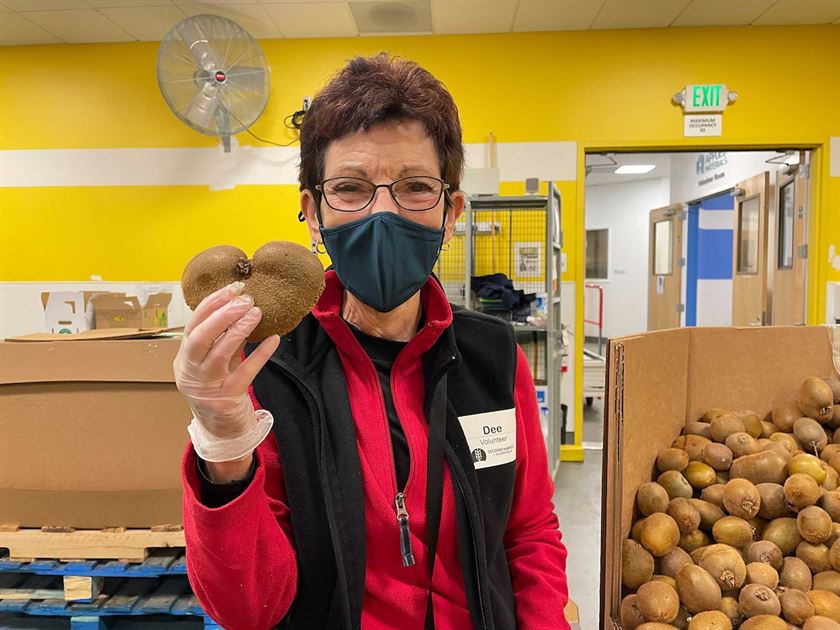
We know that nutrition has a critical impact on the long-term health of community members. The supply of nutritious food we source and distribute — such as fresh fruits and vegetables, dairy, protein, grains and pantry staples — is crucial to ensuring that all our neighbors have access to foods that support their health and well-being.
Knowing how to prepare and enjoy the food we provide also makes a difference. Our Community Health and Nutrition team, together with our dedicated Health Ambassador volunteers, help ensure that clients and their families feel confident and inspired to turn their groceries into flavorful meals, all while honoring culture, tradition and personal preferences.
Mito dell'insicurezza alimentare #5: le persone imbrogliano il sistema per ottenere cibo di cui non hanno realmente bisogno.
Questo è probabilmente il mito dell'insicurezza alimentare più dannoso perché mette in discussione l'integrità di coloro che vengono da noi in cerca di cibo per le loro famiglie. La verità è che siamo più preoccupati per le persone che non ricevono cibo nutriente a sufficienza per mantenersi in salute, ma non chiedono ancora aiuto perché temono lo stigma sociale e il giudizio di chiedere supporto. I sondaggi che abbiamo condotto nel corso degli anni ci dicono che la maggior parte delle persone è riluttante a ricevere assistenza alimentare anche quando ne ha bisogno.
Per lo più sappiamo che le persone che accettano cibo da Second Harvest che altrimenti possono permettersi di comprarlo è raro perché parliamo con le persone che vengono ai nostri siti di distribuzione di generi alimentari: le mamme che sono preoccupate di fornire cibo abbastanza nutriente per i loro figli, gli anziani che vogliono assicurarsi che non prendano troppo in modo che rimanga cibo per gli altri e gli studenti universitari che sono grati per l'aiuto mentre lottano per pagare la scuola e altri beni di prima necessità.
Incoraggiamo chiunque sia interessato a capire in che modo l'insicurezza alimentare influisca sulla nostra comunità e cosa stiamo facendo per affrontarlo volunteer with us e incontrare alcune delle famiglie, anziani e studenti universitari che si affidano ai nostri servizi per mantenere l'accesso a cibo nutriente e tutti i benefici che ne derivano.