Kennen Sie jemanden, der ernährungsunsicher ist? Sie werden überrascht sein, denn die Anzeichen von Ernährungsunsicherheit sind nicht immer offensichtlich.
Was ist Ernährungsunsicherheit? Ist es das gleiche wie Hunger?
Hunger ist ein Gefühl, das man bekommt, wenn man nichts gegessen hat. Es ist ein körperliches Unbehagen, während Ernährungsunsicherheit ein wirtschaftlicher Zustand ist. Wenn jemand ernährungsunsicher ist, bedeutet dies, dass er nicht über die Mittel verfügt, um regelmäßig auf genügend nahrhafte Lebensmittel zuzugreifen. In ernährungsunsicheren Haushalten müssen sich die Menschen oft entscheiden, ob sie nur das bekommen, was sie sich leisten können – was normalerweise billig und/oder nährstoffarm ist – oder Mahlzeiten ausfallen lassen. Das Leben in einem Zustand längerer Ernährungsunsicherheit kann negative Auswirkungen auf das körperliche, emotionale, soziale und geistige Wohlbefinden haben.
In Silicon Valley — one of the wealthiest regions in the country — food insecurity is near all-time highs and higher than the national average. Right now, 1 in 6 neighbors counts on Second Harvest for nutritious food, and half are kids and seniors.

Helping our community understand the complexities that our neighbors face shines a light on just how hard it is to live in a very high-cost region on low wages, and hopefully increases the empathy we have for the people who are working hard every day to provide for their families.
Im Folgenden sind fünf verbreitete Mythen über Ernährungsunsicherheit aufgeführt.
Ernährungsunsicherheit Mythos #1: Nur Menschen ohne Unterkunft brauchen Nahrungsmittelhilfe.
This is one of the most common food insecurity myths, but if it were true, Second Harvest would be providing food to nearly 13,000 people. That's how many residents don't have a permanent place to call home according to the most recent count in Santa Clara and San Mateo counties. Instead, Second Harvest of Silicon Valley provides food to nearly 500,000 people every month.
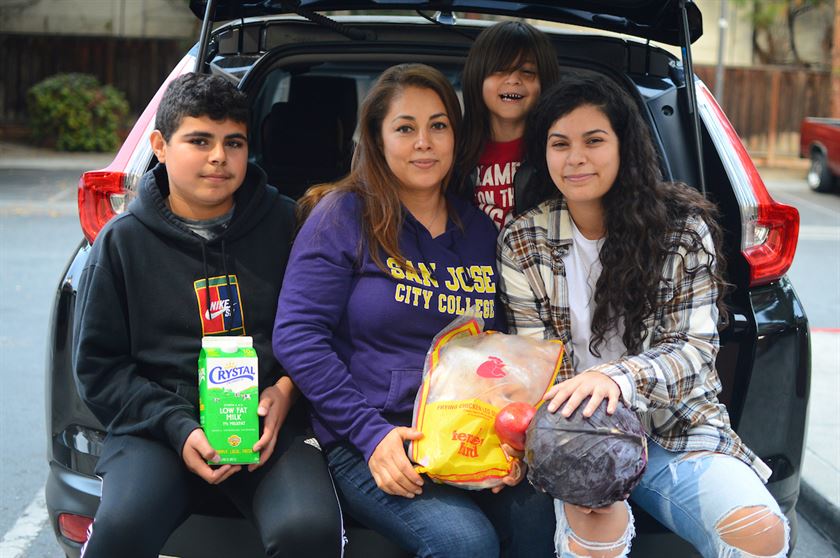
The truth is the vast majority of kids, families and seniors we serve are housed – but after paying for the high cost of housing in Silicon Valley, and managing other fixed costs/bills, many people find that they can’t afford to buy enough nutritious groceries with what’s left over at the end of the month. That’s why most of what Second Harvest provides fresh produce, dairy, grains and pantry staples that our clients can use to create and enjoy balanced, home-cooked meals.
Ernährungsunsicherheit Mythos #2: Nur Arbeitslose brauchen Nahrungsmittelhilfe.
The truth is the high cost of living in Silicon Valley means that even people who are working — sometimes at multiple jobs — can’t always make ends meet. In a recent survey of our clients, the majority of households reported at least one person is working. But nearly 60% of those employed households can’t cover their monthly expenses.
The high costs of essentials like rent, food and childcare already take up a huge portion of the budget for neighbors living on fixed incomes or working hard in important jobs that keep our community running. Now, additional cuts to government benefits will push families who were barely getting by into deeper crisis. When every dollar is already stretched thin, even small reductions in support can have devastating ripple effects.
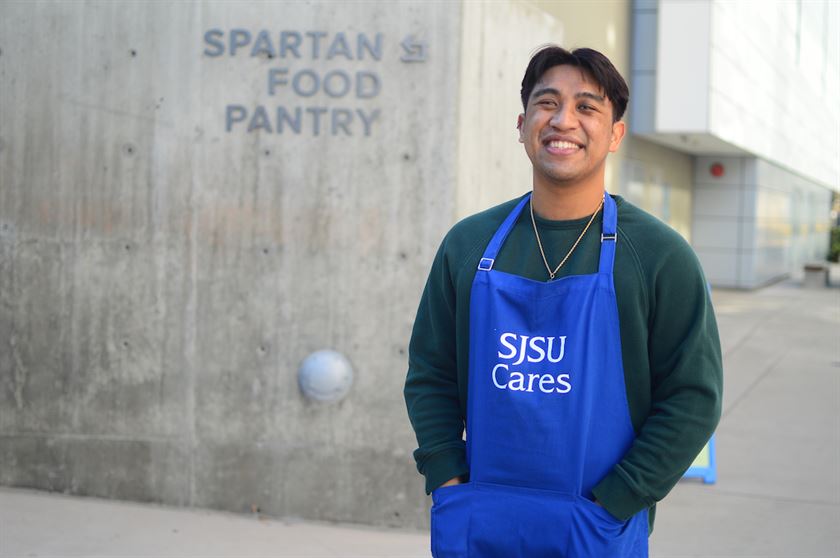
Ernährungsunsicherheit Mythos #3: YSie können erkennen, wenn jemand ernährungsunsicher ist nur indem man sie ansieht.
Die Wahrheit ist, dass man nicht immer sieht, wenn jemand ernährungsunsicher ist. Sie haben sich vielleicht ein schönes Auto oder anständige Kleidung gekauft, als sie finanziell abgesichert waren, aber aufgrund des kürzlichen Arbeitsplatzverlusts oder eines lebensverändernden Ereignisses können sie sich nicht genug gesunde Lebensmittel für ihre Familie leisten. Es gibt viele Gründe, warum jemand schöne Sachen hat und trotzdem Essenshilfe braucht.
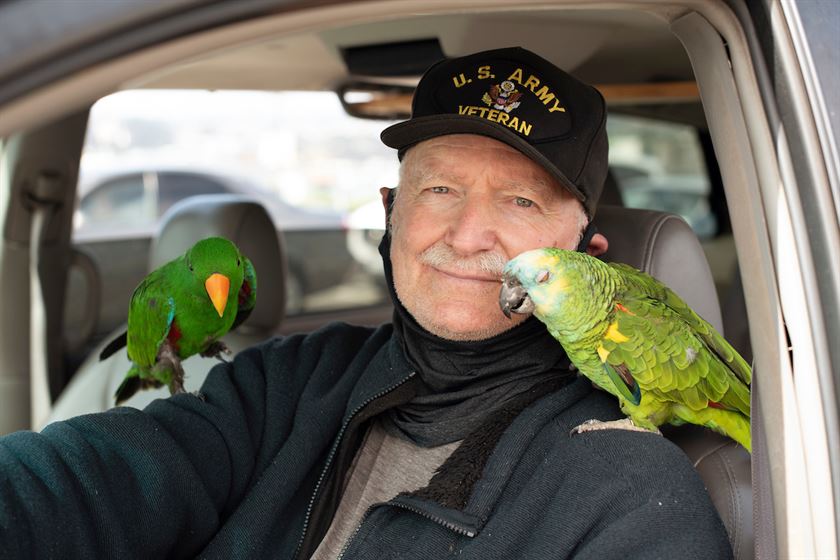
With the high cost of living in Silicon Valley, it’s difficult for a lot of hardworking people to pay their bills, let alone save money. In a recent survey of Second Harvest clients, nearly 55% of respondents said they have less than $100 in savings. That means many families are just a paycheck away from a financial disaster. While some people may have purchased “nicer things” when they had more money, hitting unexpectedly tough times can change things overnight – material possessions are not always an indication that people are financially stable.
Wir möchten nicht, dass Menschen warten, bis sie absolut alles verloren haben, bevor sie um Hilfe bitten, aber leider melden sich viele unserer Kunden erst, wenn ihre Schränke leer sind. Nahrungsmittelhilfe kann Einzelpersonen und Familien dabei helfen, eine Unterkunft zu finden, indem Mittel für Unterkunft, Rechnungen und andere Ausgaben freigesetzt werden.
Ernährungsunsicherheit Mythos #4: People who are overweight can't be food insecure.
You may think it's not possible for someone to need food assistance if they are overweight. Doesn't that mean they eat too much already? It's easy to understand why this food insecurity myth persists. The truth is it's not uncommon for people who are food insecure to be overweight or even obese.
In einer 12-Staaten-Studie of 66,553 adults, those who were food insecure had a 32% greater risk of being obese compared with those who weren't. Food insecurity and obesity have a complicated relationship, and there are a number of reasons why that's true.
Our clients are often juggling multiple jobs, have limited transportation options and are trying to stretch their food dollars to the end of the month any way they can. In a recent survey of Second Harvest clients, nearly 85% of respondents reported the cost of nutritious food makes it hard for them and/or their households to stay healthy. The impact of being economically unstable, a reliance on cheap fast foods and stress-induced hormones can all drive cravings and decisions around food, which can then lead to obesity.
Kostengünstigere Lebensmittel wie Fastfood und billige Snacks enthalten tendenziell mehr Zucker, Fett und Kalorien. Sie können Sie vorübergehend satt machen, liefern aber nicht genügend Nährstoffe, die unser Körper benötigt, weshalb Gemeinden mit niedrigem Einkommen dazu neigen haben höhere Diabetesraten ebenso gut wie Bluthochdruck und andere gesundheitliche Probleme. In fact, in a recent survey of Second Harvest clients, more than 70% of respondents reported that someone in their household has pre-diabetes, diabetes, high blood pressure or a heart condition.
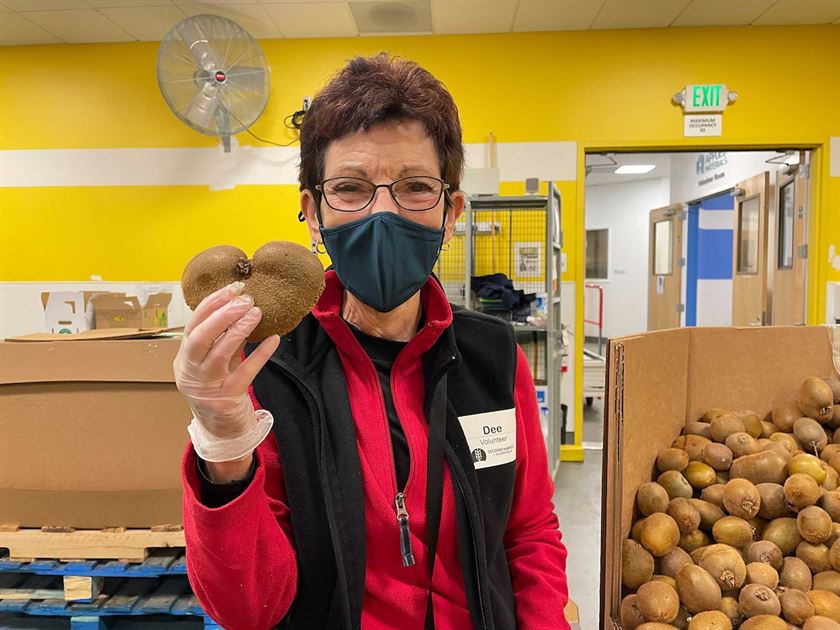
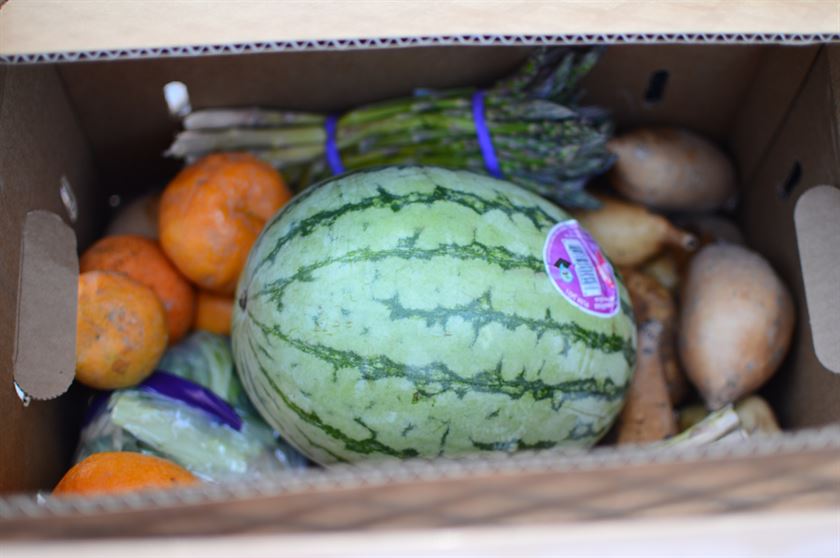
We know that nutrition has a critical impact on the long-term health of community members. The supply of nutritious food we source and distribute — such as fresh fruits and vegetables, dairy, protein, grains and pantry staples — is crucial to ensuring that all our neighbors have access to foods that support their health and well-being.
Knowing how to prepare and enjoy the food we provide also makes a difference. Our Community Health and Nutrition team, together with our dedicated Health Ambassador volunteers, help ensure that clients and their families feel confident and inspired to turn their groceries into flavorful meals, all while honoring culture, tradition and personal preferences.
Ernährungsunsicherheitsmythos #5: Menschen betrügen das System, um Lebensmittel zu bekommen, die sie nicht wirklich brauchen.
Dies ist wahrscheinlich der schädlichste Mythos der Ernährungsunsicherheit, weil er die Integrität derjenigen in Frage stellt, die zu uns kommen, um Nahrung für ihre Familien zu suchen. Die Wahrheit ist, dass wir uns mehr Sorgen um die Menschen machen, die nicht genug nahrhaftes Essen bekommen, um gesund zu bleiben, aber trotzdem nicht um Hilfe bitten, weil sie das soziale Stigma und die Vorurteile fürchten, um Unterstützung zu bitten. Umfragen, die wir im Laufe der Jahre durchgeführt haben, zeigen uns, dass die meisten Menschen zögern, Nahrungsmittelhilfe zu erhalten, selbst wenn sie diese benötigen.
Meistens wissen wir, dass Menschen, die Lebensmittel von Second Harvest annehmen, die es sich sonst leisten könnten, selten sind, weil wir mit den Menschen sprechen, die zu unseren Lebensmittelvertriebsstellen kommen – den Müttern, die sich Sorgen machen, ihren Kindern genügend nahrhafte Lebensmittel zur Verfügung zu stellen, den Senioren wollen sicherstellen, dass sie nicht zu viel nehmen, damit Essen für andere und die College-Studenten übrig bleibt, die für die Hilfe dankbar sind, während sie kämpfen, um die Schule und andere Grundbedürfnisse zu bezahlen.
Wir ermutigen jeden, der daran interessiert ist zu verstehen, wie sich Ernährungsunsicherheit auf unsere Gemeinschaft auswirkt und was wir tun, um dem entgegenzuwirken volunteer with us und treffen Sie einige der Familien, Senioren und College-Studenten, die sich auf unsere Dienste verlassen, um den Zugang zu nahrhaften Lebensmitteln und allen damit verbundenen Vorteilen zu erhalten.