Nutritious school meals help students learn and thrive — but students also need enough time to eat them. California’s universal school meals program has transformed access to breakfast and lunch for millions of students, but ensuring every child has adequate time to finish those meals is the next important step.
At Second Harvest of Silicon Valley, we’ve spent years working alongside local school districts to increase participation in school meal programs and improve access to nutritious food for students. As a member of the School Meals for All coalition, we advocated for California’s landmark universal school meals program, helping make California the first state in the nation to provide two free school meals each day to every public school student.
The program has been a tremendous success, removing financial barriers and reducing stigma for families. Now, our work with local schools has highlighted another opportunity to strengthen its impact: giving students enough protected time to eat the nutritious meals they’re served.
Students need more time to eat their school meals
California has made remarkable progress by ensuring every public school student has access to free breakfast and lunch. But access alone isn’t enough if students don’t have adequate time to eat.
Ang California Department of Education recommends providing students with at least 10 minutes to eat breakfast and 20 minutes to eat lunch, not including the time spent walking to the cafeteria or waiting in line.
Through conversations with school nutrition leaders across Santa Clara and San Mateo counties, observations in local cafeterias and a review of school bell schedules, we’ve seen that many schools struggle to meet these recommendations.
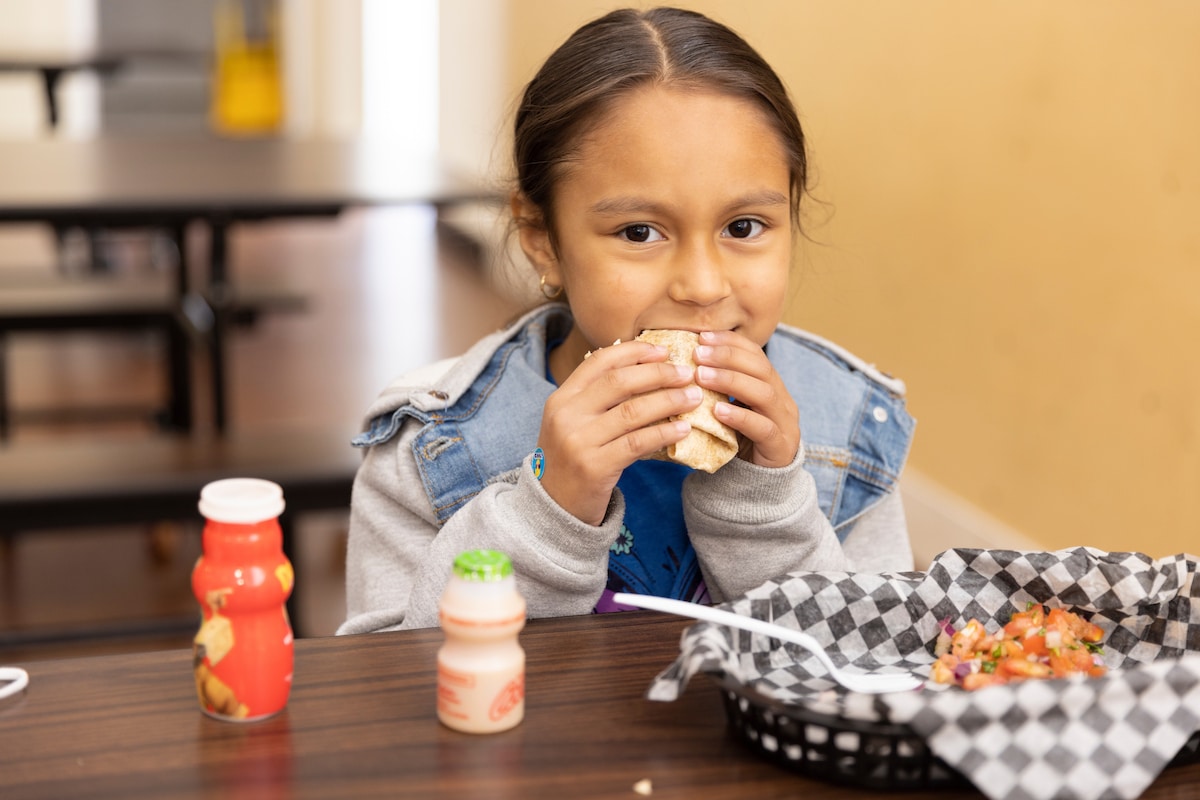
In some schools, students at the end of the lunch line have 10 minutes — or even less — to finish their meal before returning to class or heading to recess.
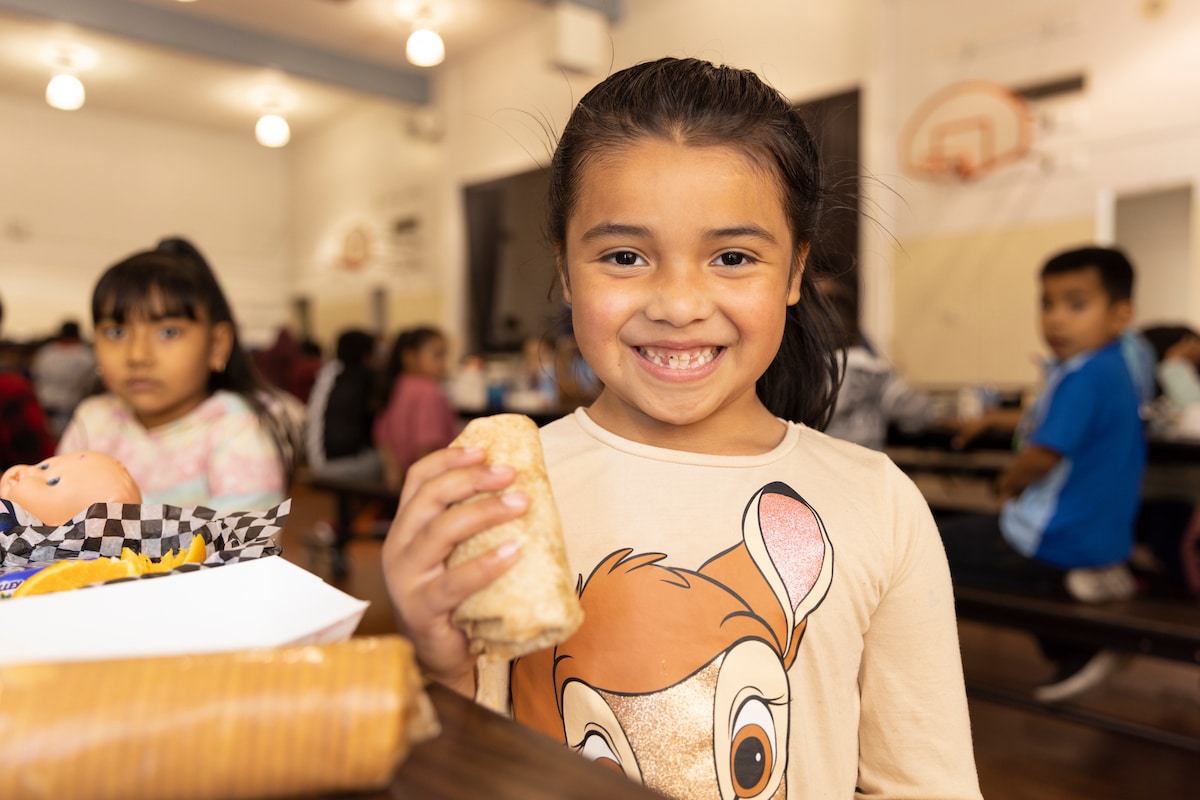
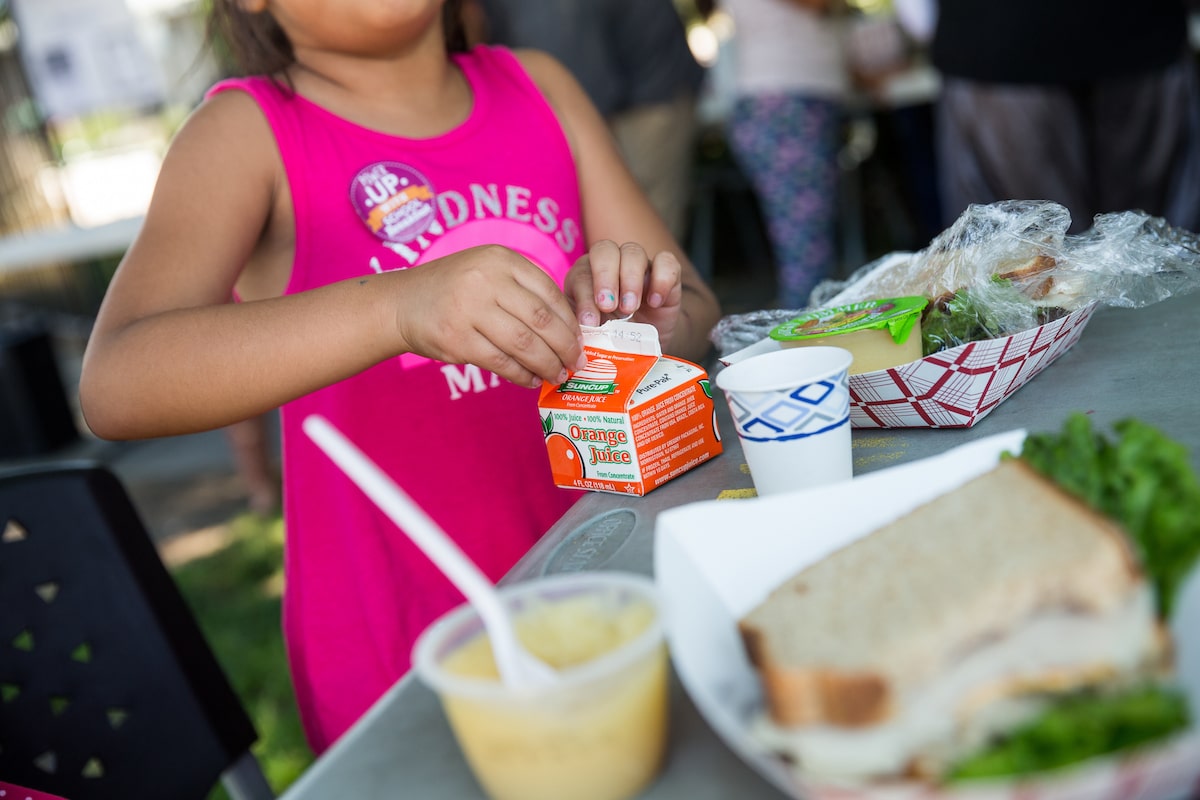
For younger students, the challenge can be even greater. Children in Transitional Kindergarten may spend valuable minutes waiting to be served or getting help opening milk cartons and food packaging, leaving even less time to eat.
Why more time to eat school meals matters
Research consistently shows that when students have enough time to eat, they consume more of the healthiest parts of their meals, including fruits, vegetables, whole grains and milk. When time is limited, these foods are often left behind.
Adequate meal time also supports learning. Students who finish their meals are better able to concentrate, stay engaged and learn throughout the day, with fewer classroom disruptions.
Giving students enough time to eat can also reduce food waste. When meals end up in the trash because students run out of time, schools lose some of the value of California’s investment in universal school meals.
Emerging research suggests this is also an equity issue. A recent study from the Child Nourish Lab found that schools serving lower-income communities are more likely to have shorter meal periods than schools in higher-income communities. The students who benefit most from school meals may have the least time to eat them.


How California school meals can be even stronger
Ensuring students have adequate time to eat is one of the most practical ways to strengthen California’s school meals program.
School administrators can review bell schedules, cafeteria operations and meal service models to help ensure students have protected meal time after receiving their meals. Even small operational changes can make a meaningful difference.
Families can also help by talking with their children about their experience during breakfast and lunch and encouraging conversations with school leaders about how meal periods are working.
At the state level, establishing a clear, enforceable minimum amount of protected meal time would help ensure students across California can fully benefit from the meals being served.
Building on the success of California school meals
California’s universal school meals program has become a national model for improving access to nutritious food. As an organization that works closely with schools, families and policymakers, Second Harvest of Silicon Valley will continue advocating for practical improvements that help every child fully benefit from the meals available to them.
To learn more about school meal access in Santa Clara and San Mateo counties, read our School Meals Report.
Rachel Monaco is Senior Manager of Policy & Advocacy at Second Harvest.